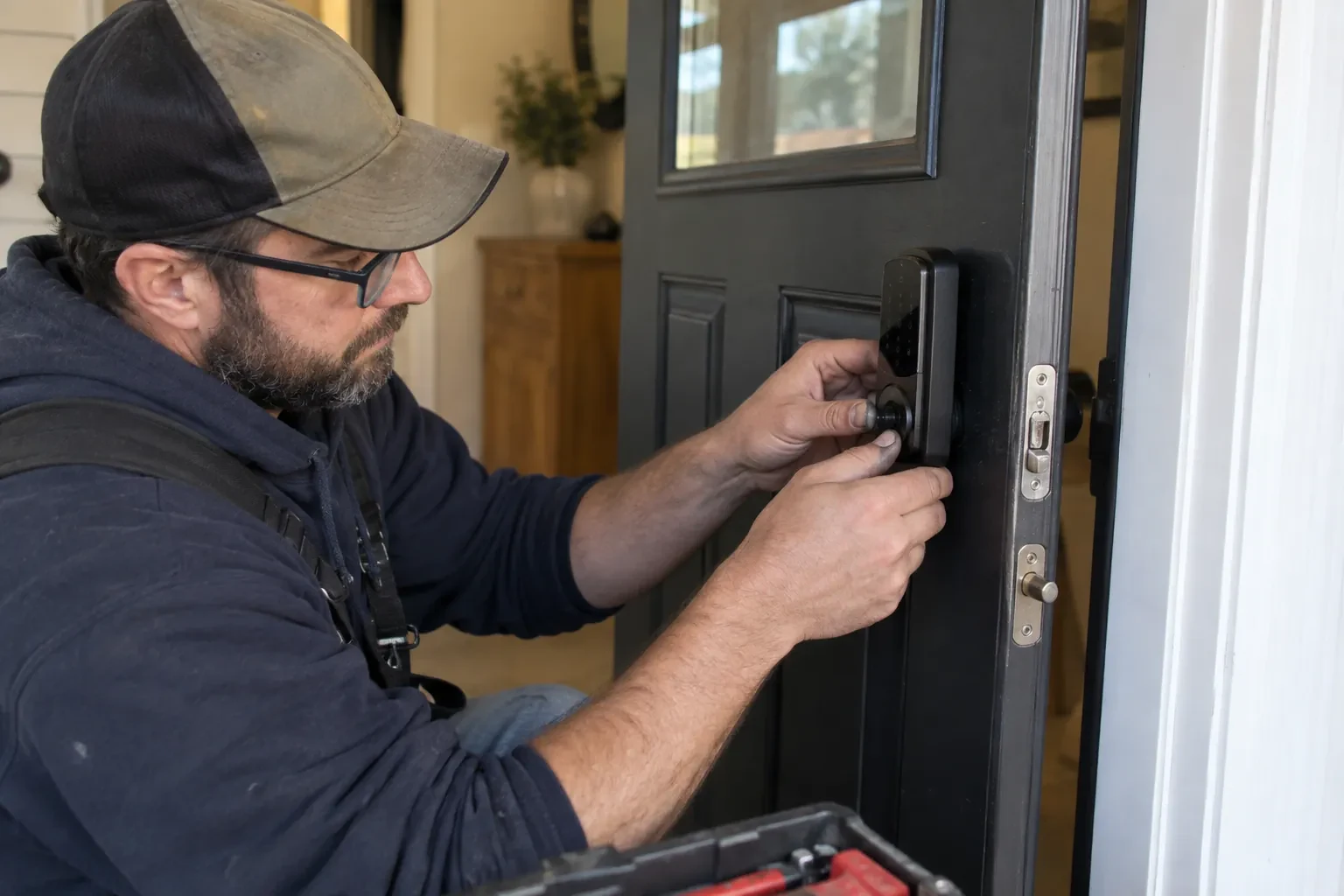
Commercial
Commercial Locks
Restaurants, clinics, offices, shops, garages and storage units each wear out hardware differently. Commercial lock replacement is about matching the grade of the lock to the traffic through the door, and the pages here describe how we make that match.
Which one do I need?
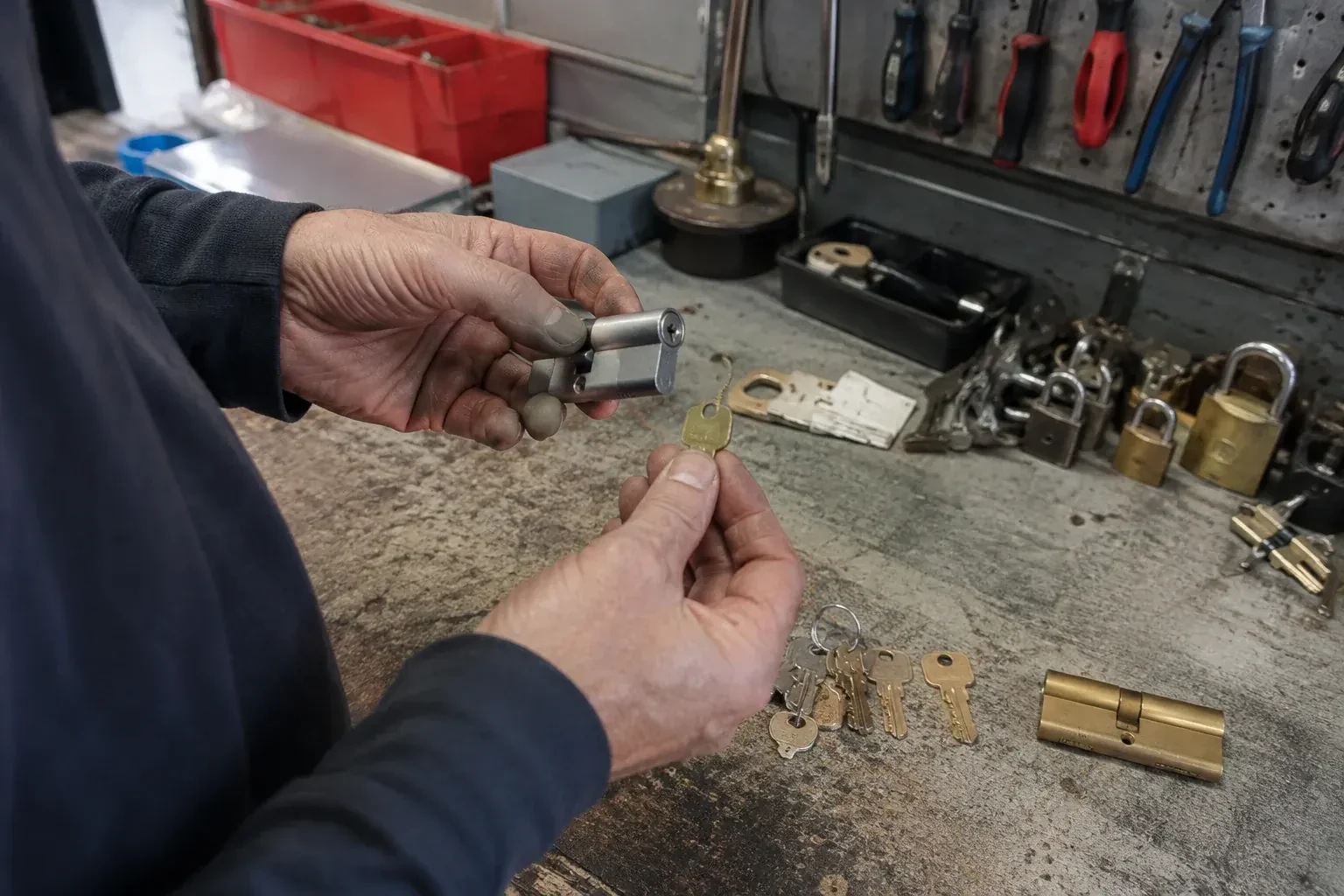
- The office has been reshuffled twice since the locks were last touched.Commercial Rekeying
- After a busy shift the manager counts the keys coming back in and loses track of who still has one.Master Key System Design
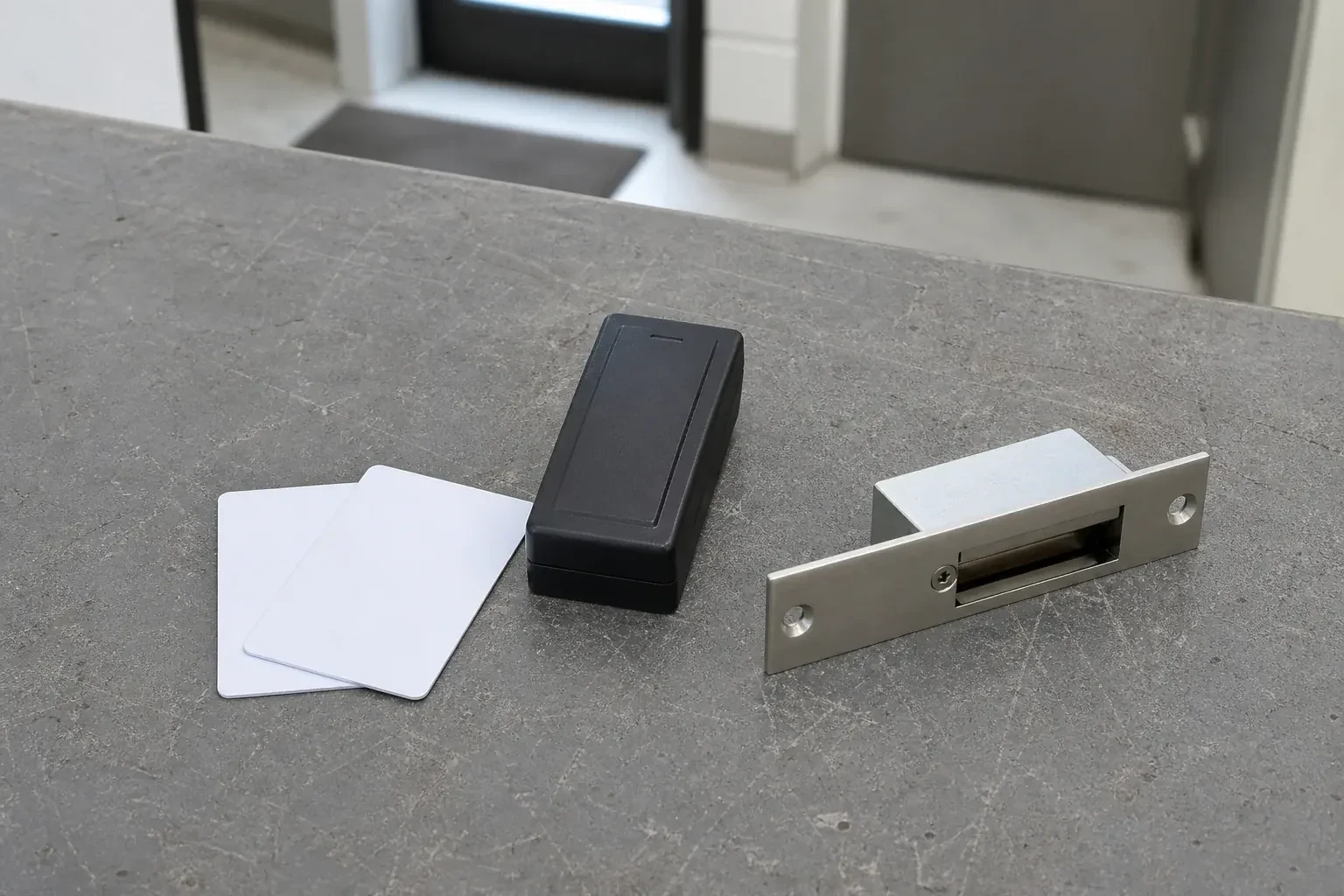
- Head office wants a record of who opens the branch and when, tied to an actual name rather than a shared code scrawled on a sticky note taped under the till.Access Control Installation
- The crossbar on the loading-dock door barely returns anymore.Panic & Exit Hardware
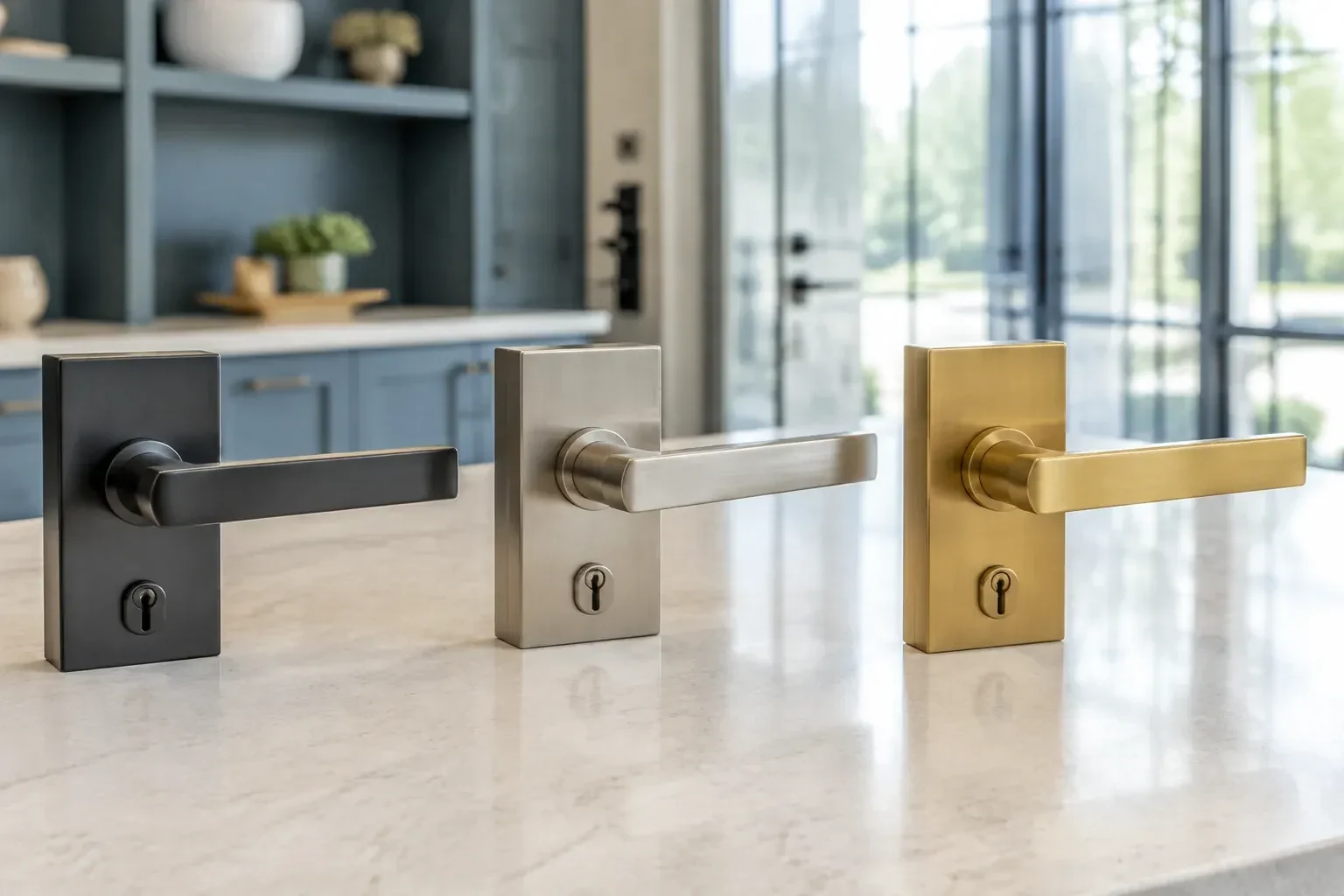
- The kitchen delivery door gets shouldered open more than a hundred times a shift, and lately the latch slips past the strike plate instead of catching it on the first push.Commercial-Grade Lock Replacement
Commercial Locks
Locks for shops, offices and buildings: rekeying at turnover, commercial-grade hardware, exit devices, master key systems and access control.
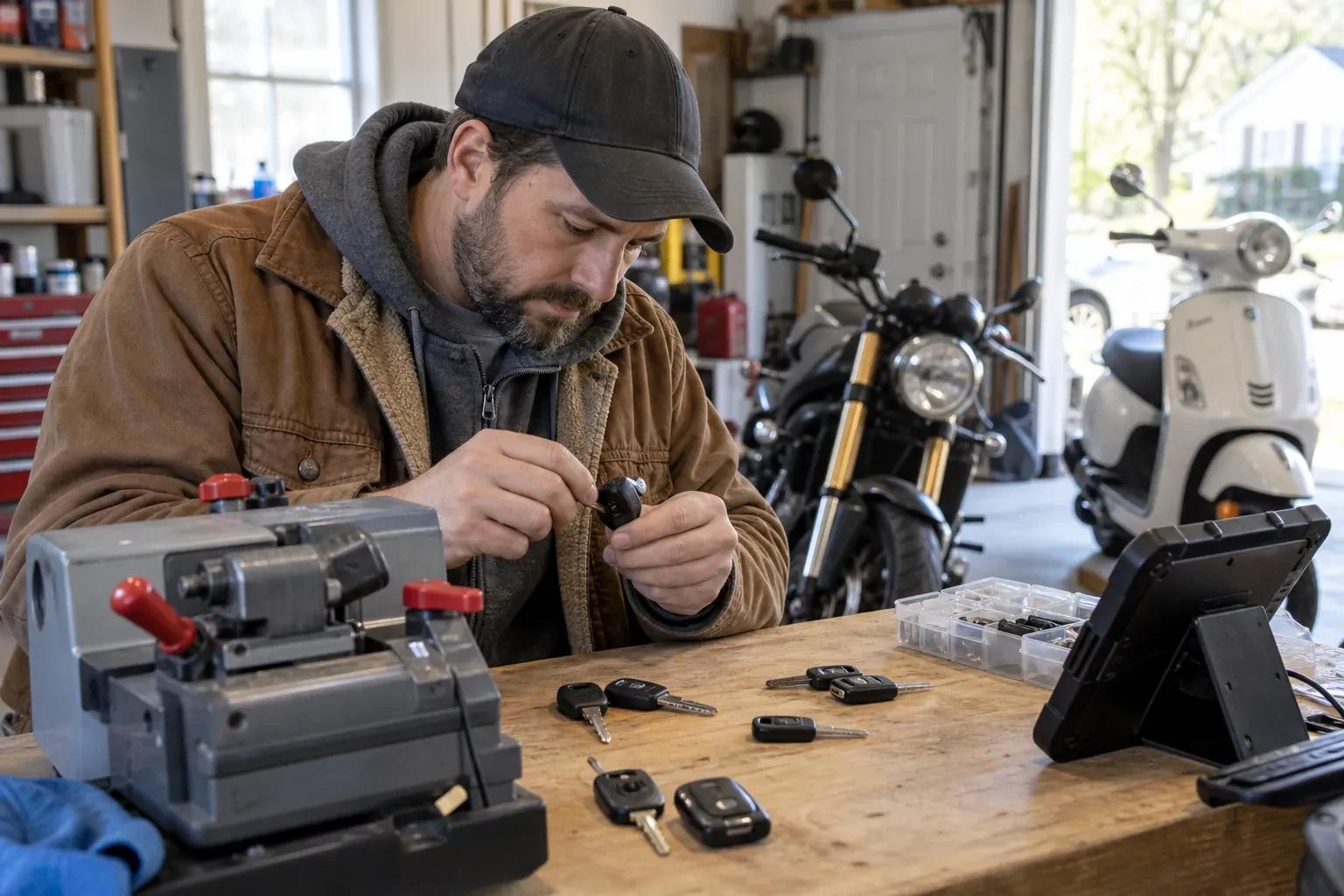
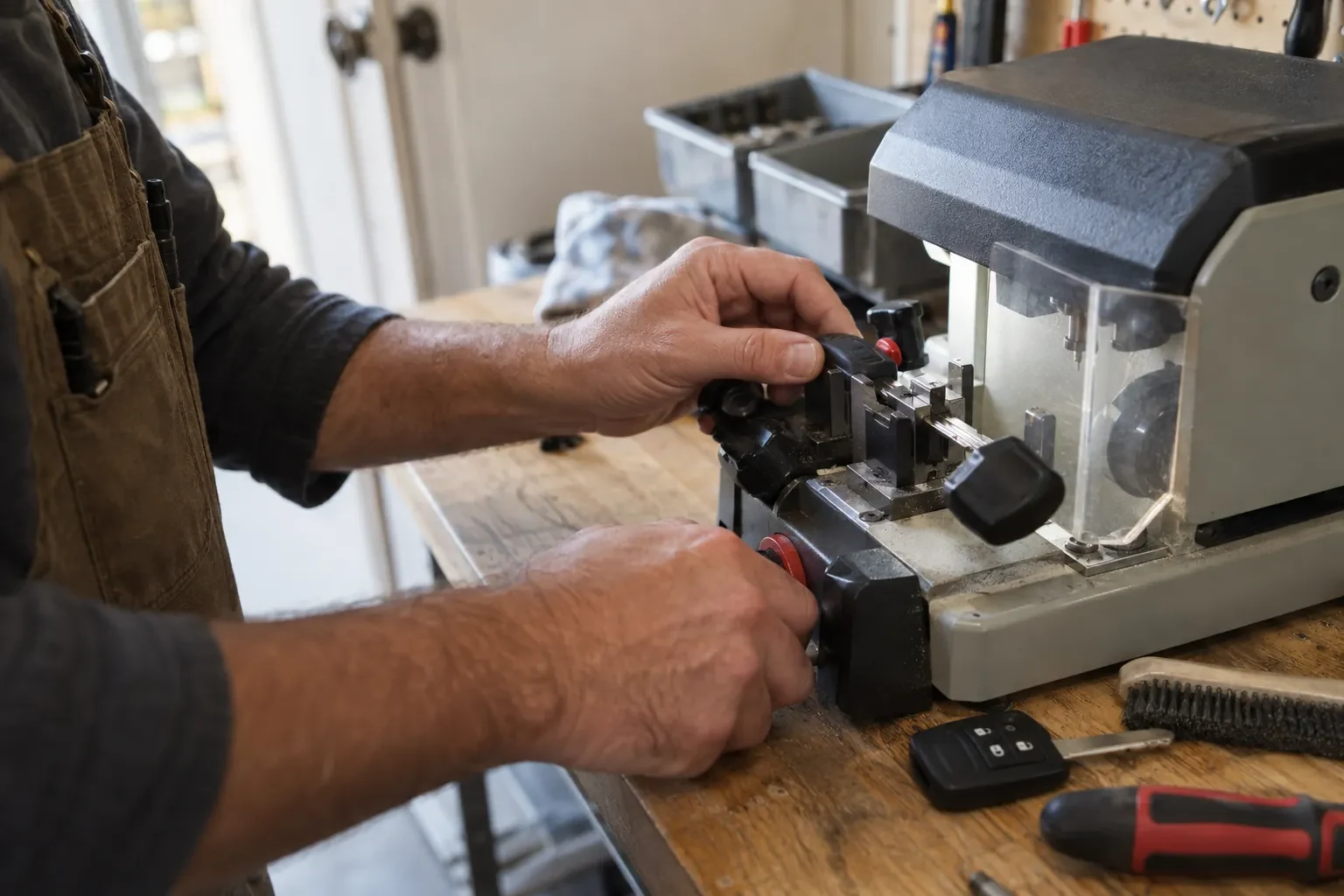
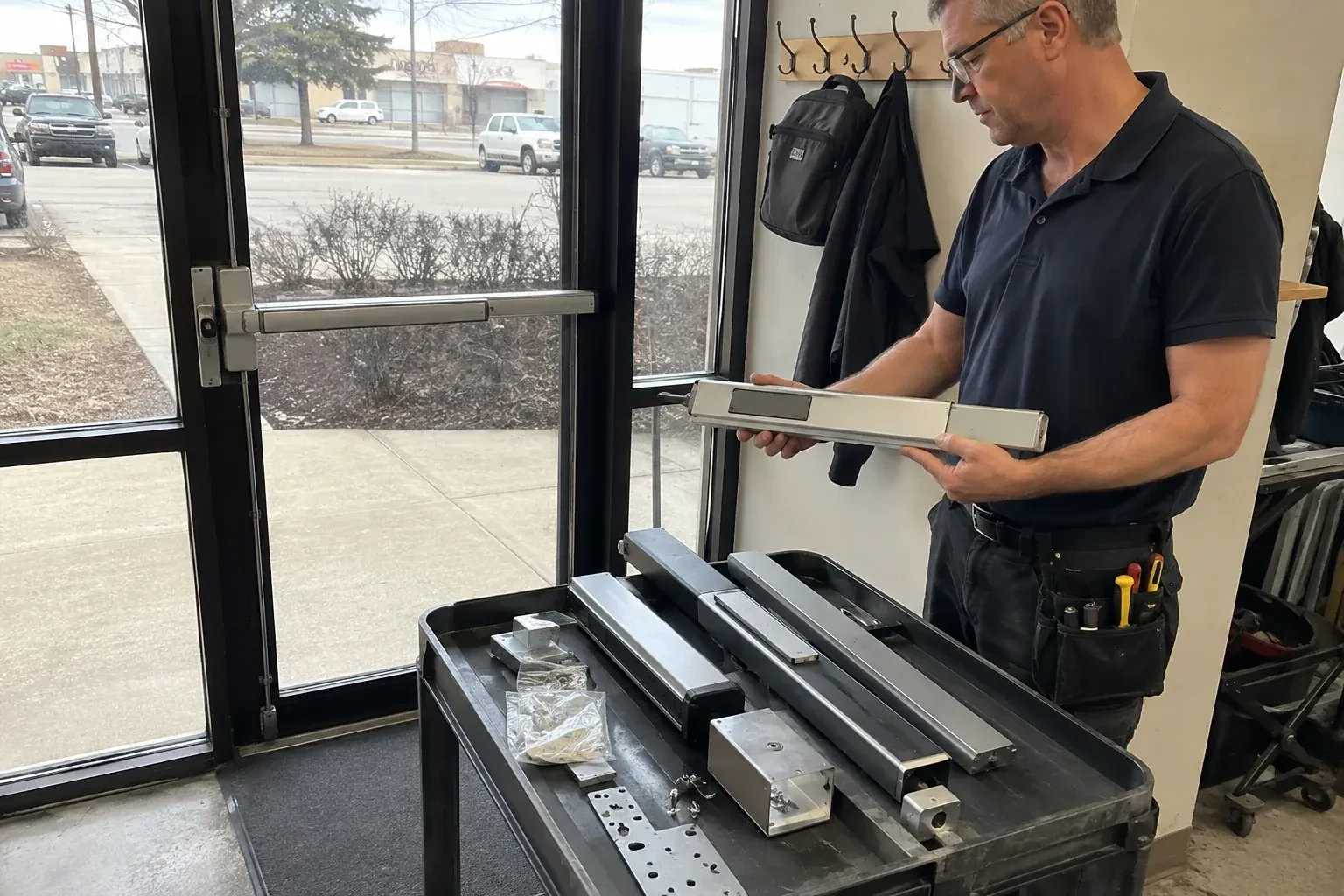
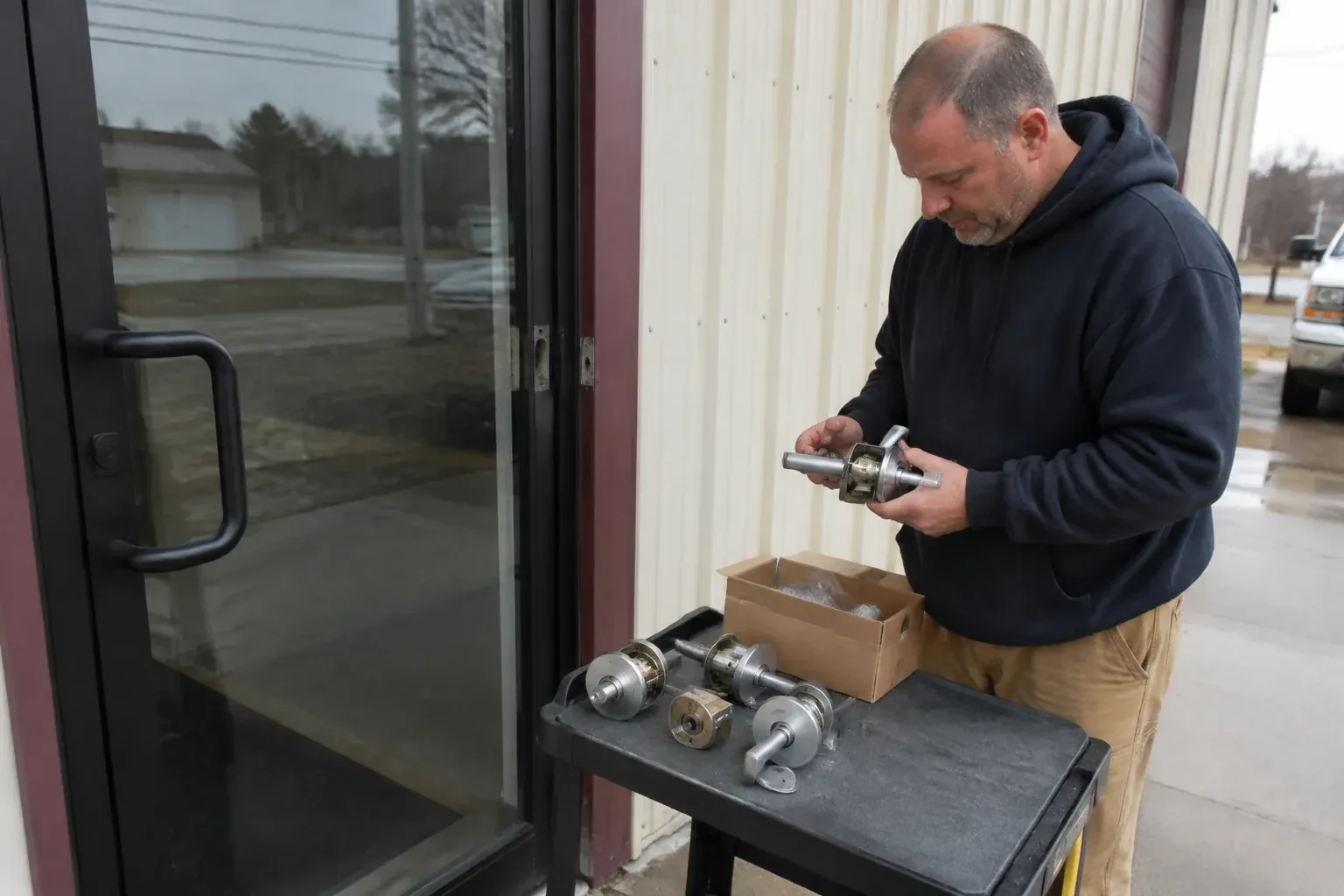
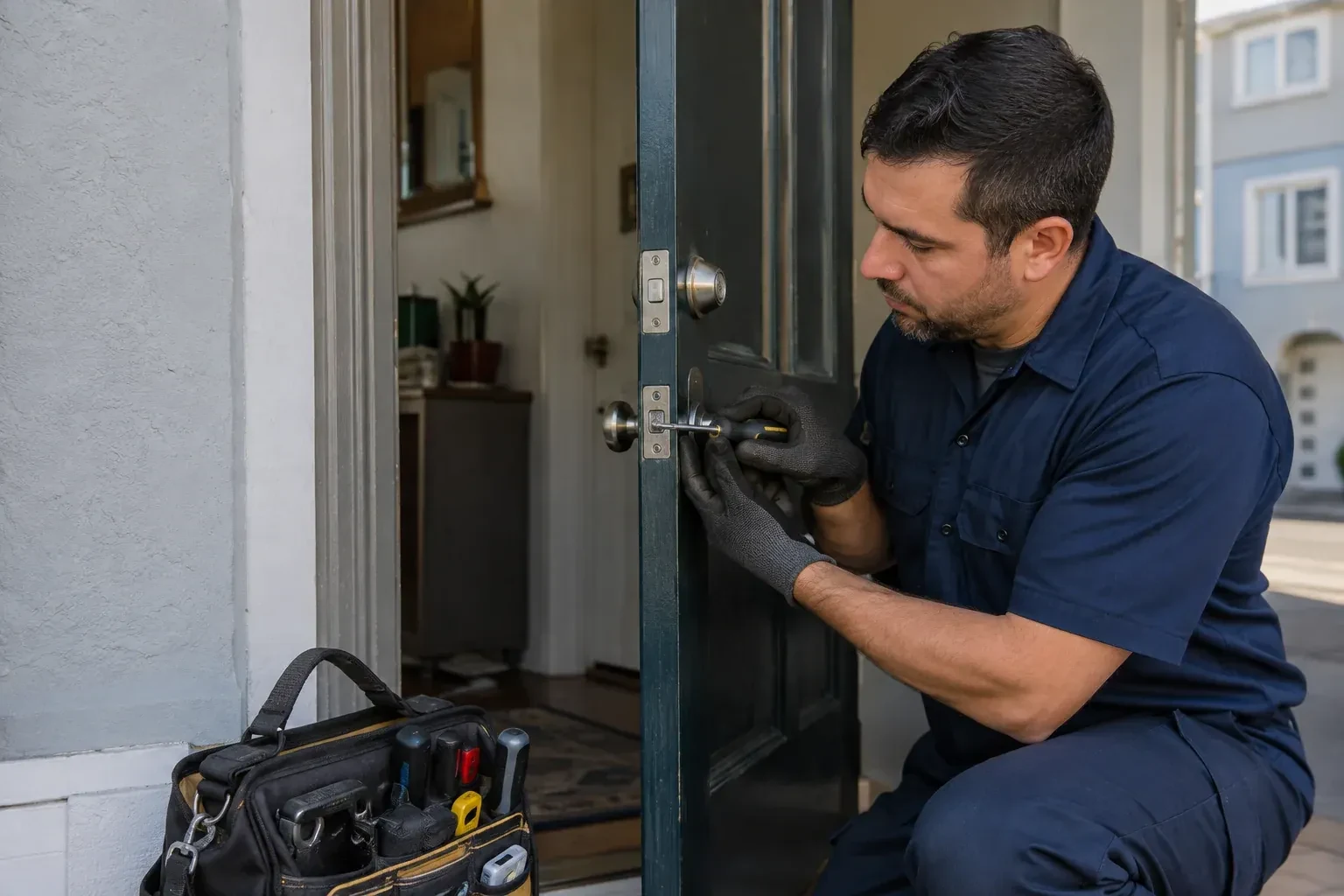
Commercial Rekeying
Who is entitled to order the change
Every commercial rekey starts by confirming that the person asking for it has the standing to do so. For a small business that is usually the owner or a director; for a larger one, a facilities manager or property manager acting under written authority. The lease matters here too, because it decides which doors are the tenant's to alter and which remain the landlord's, and many leases ask that the landlord be given a key or told when locks change.
Getting this straight before any cylinder comes out protects the business, its neighbours in the building and the locksmith, and it means the finished keying chart lands in the right hands.