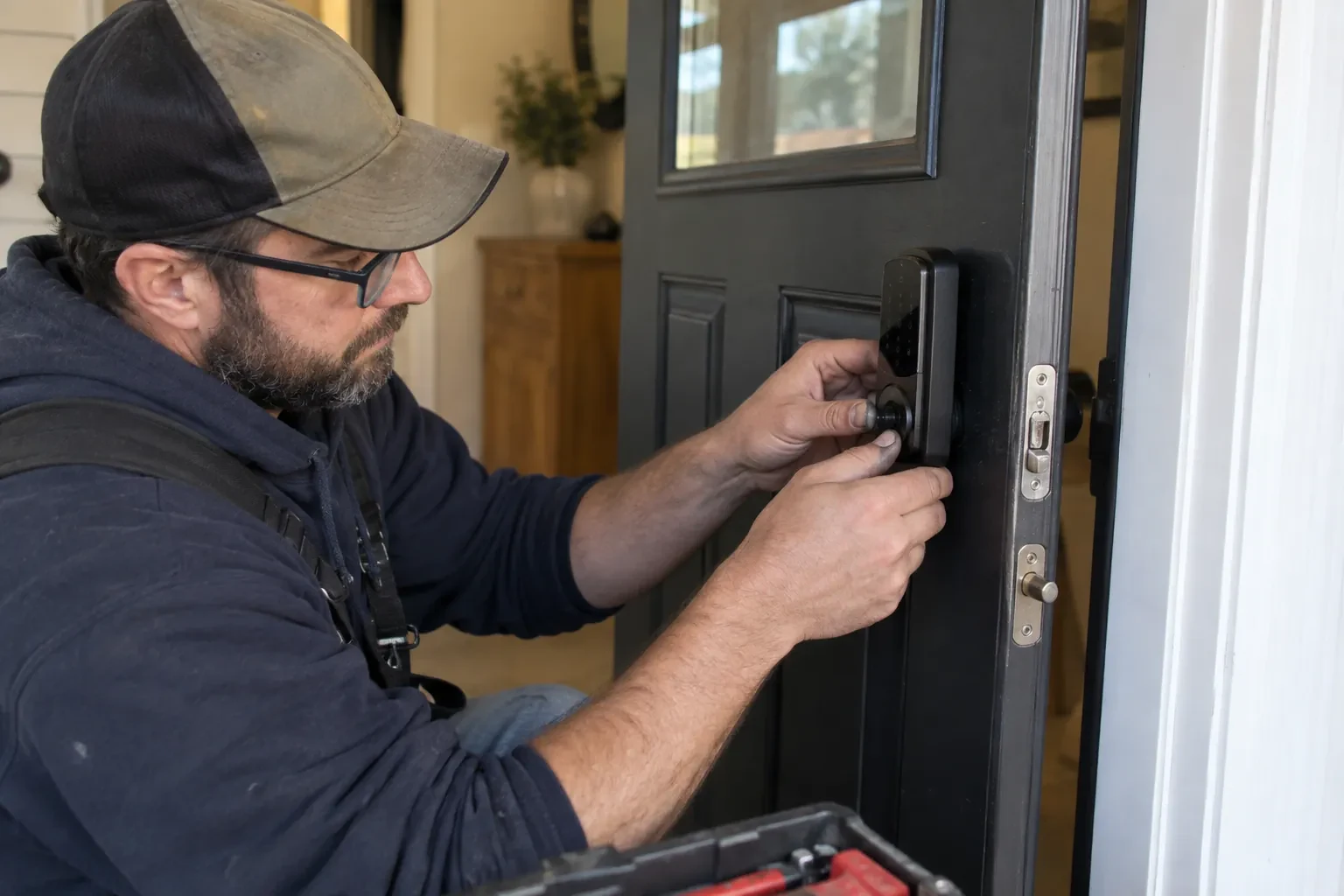
Change or rekey
Change or Rekey Locks
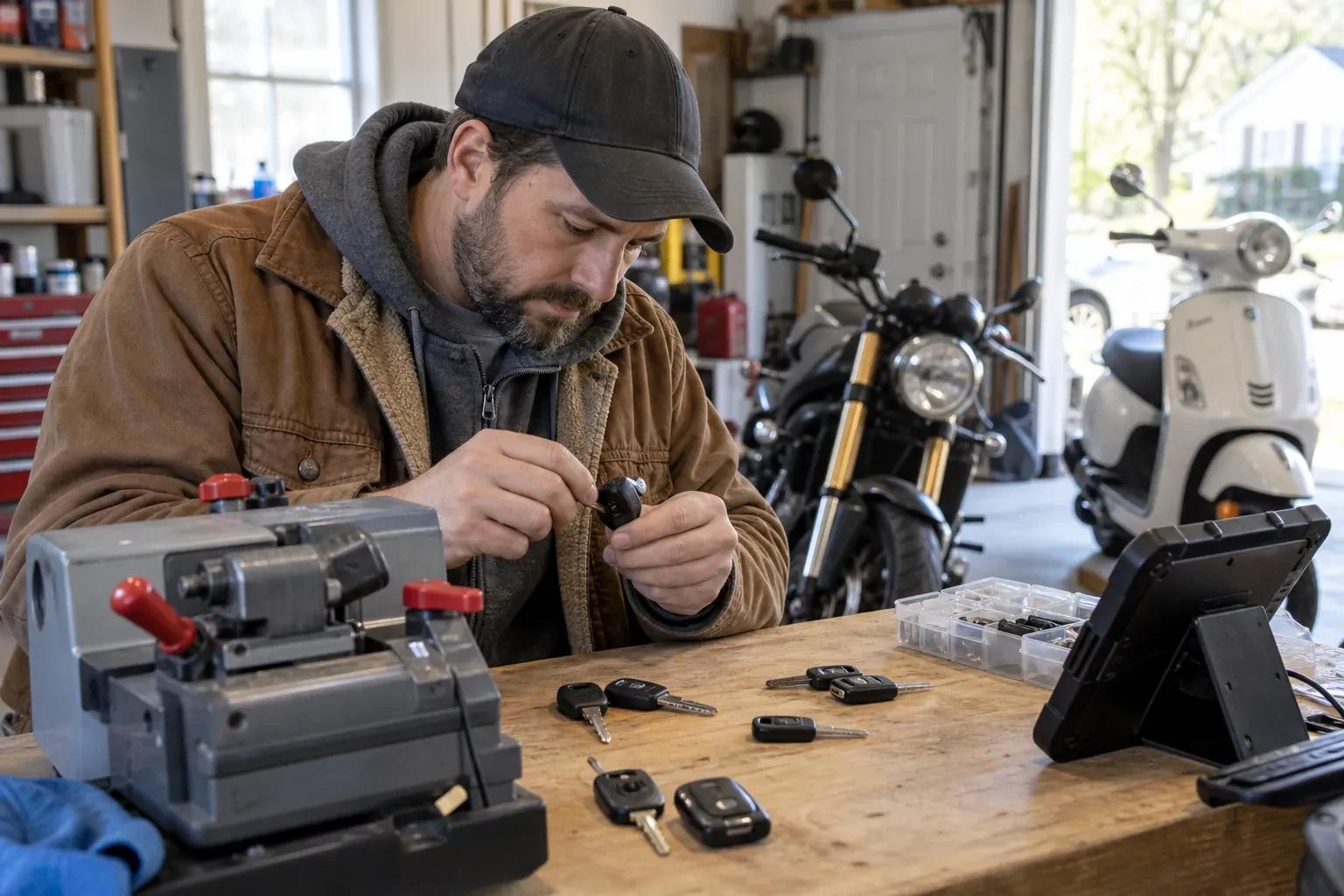
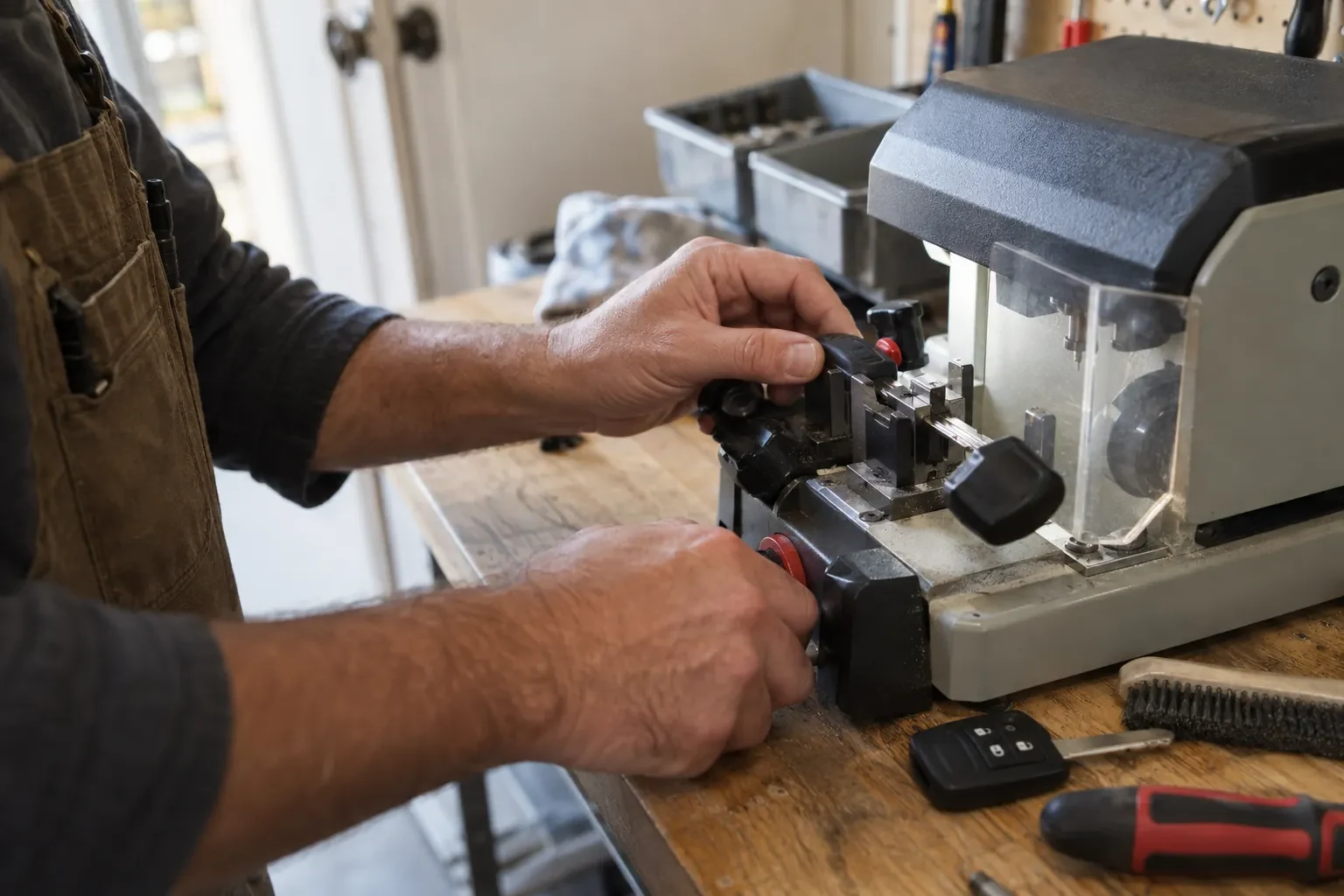
Keys multiply. One for the front, one for the side, another for the garage, a padlock on the shed. Residential keying work brings those down to a single key that fits every door you choose, cut properly so it turns without a fight.
Which one do I need?
- The builder handed over your new home with a stack of identical keys, and you know the framing crew, the painters and the flooring installers all used a construction key during the build.Lock Rekeying
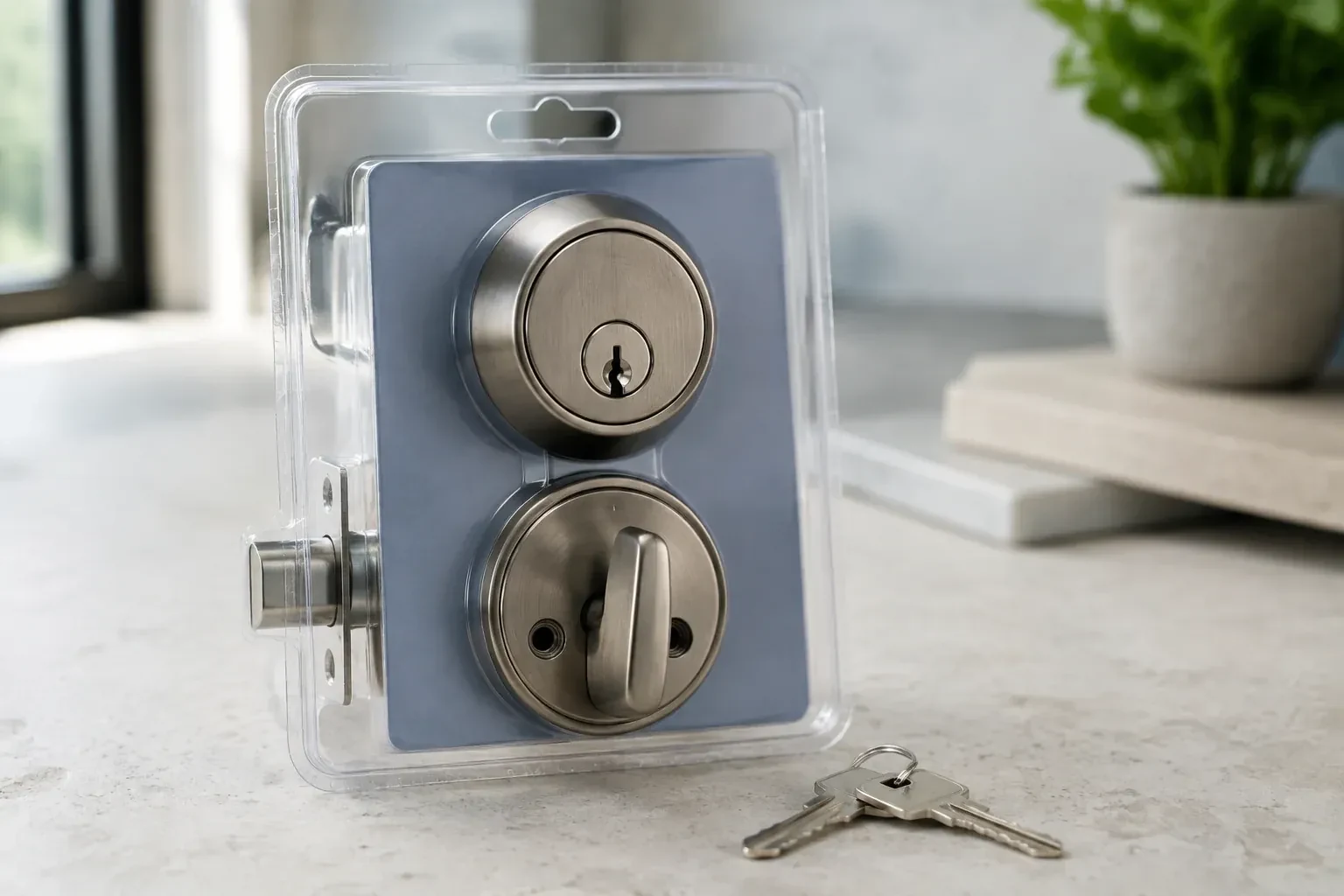
- The old deadbolt has grown lazy.Deadbolt Installation
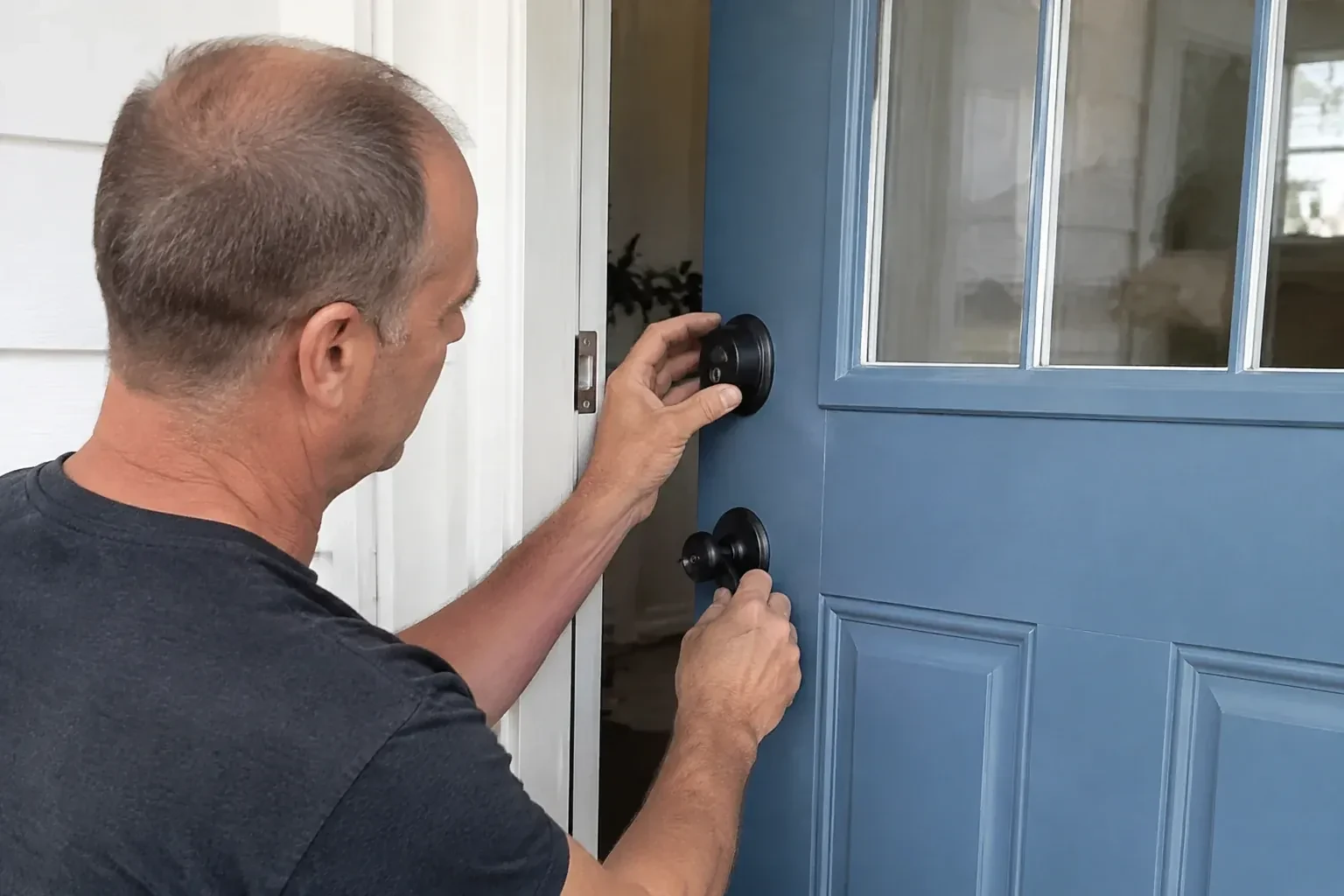
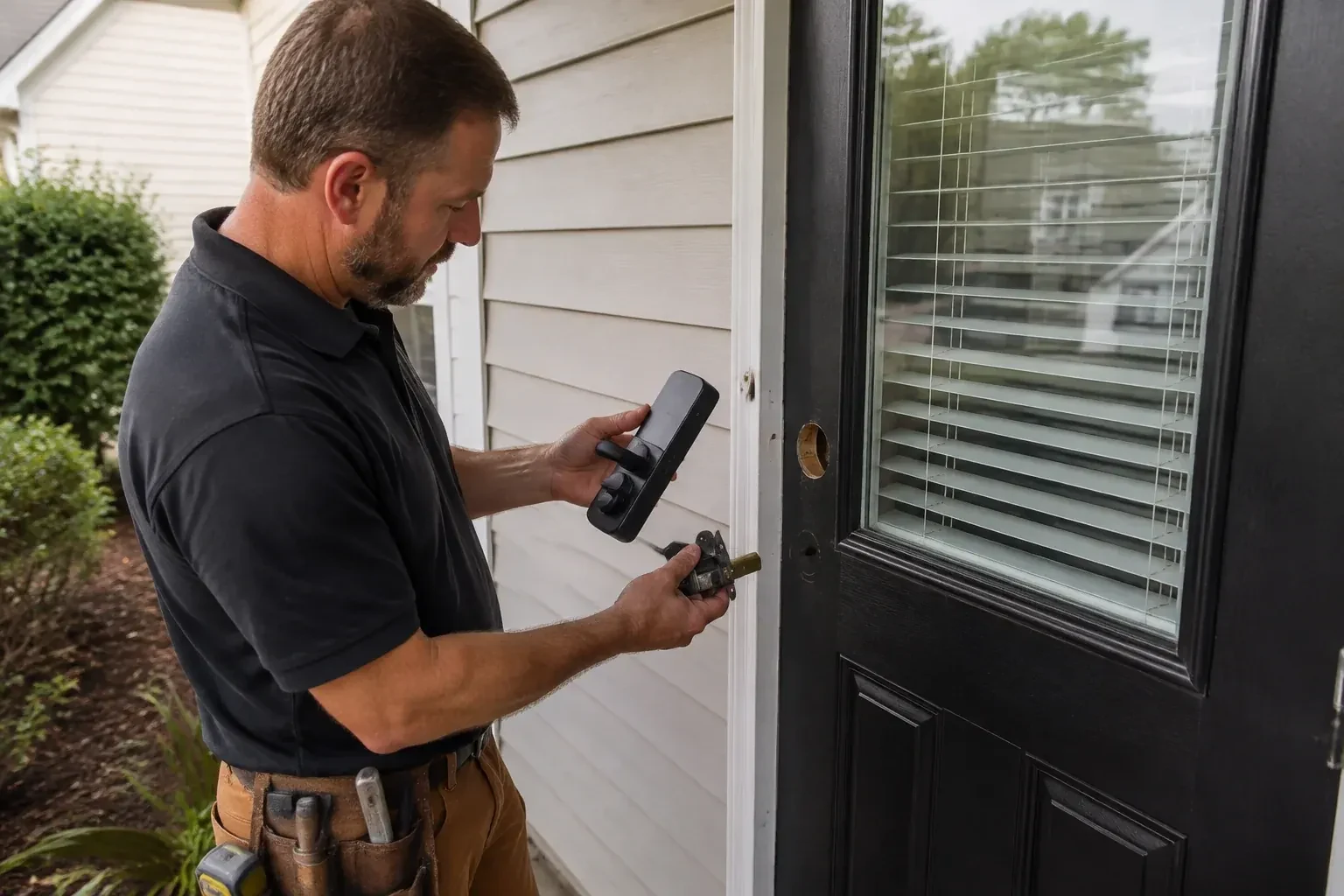
- The house is fifteen years old and every exterior door still wears the light hardware the builder fitted: a short bolt, a thin strike held by two small screws, and a knob lock that never suited a street entrance.Lock Replacement & Upgrade
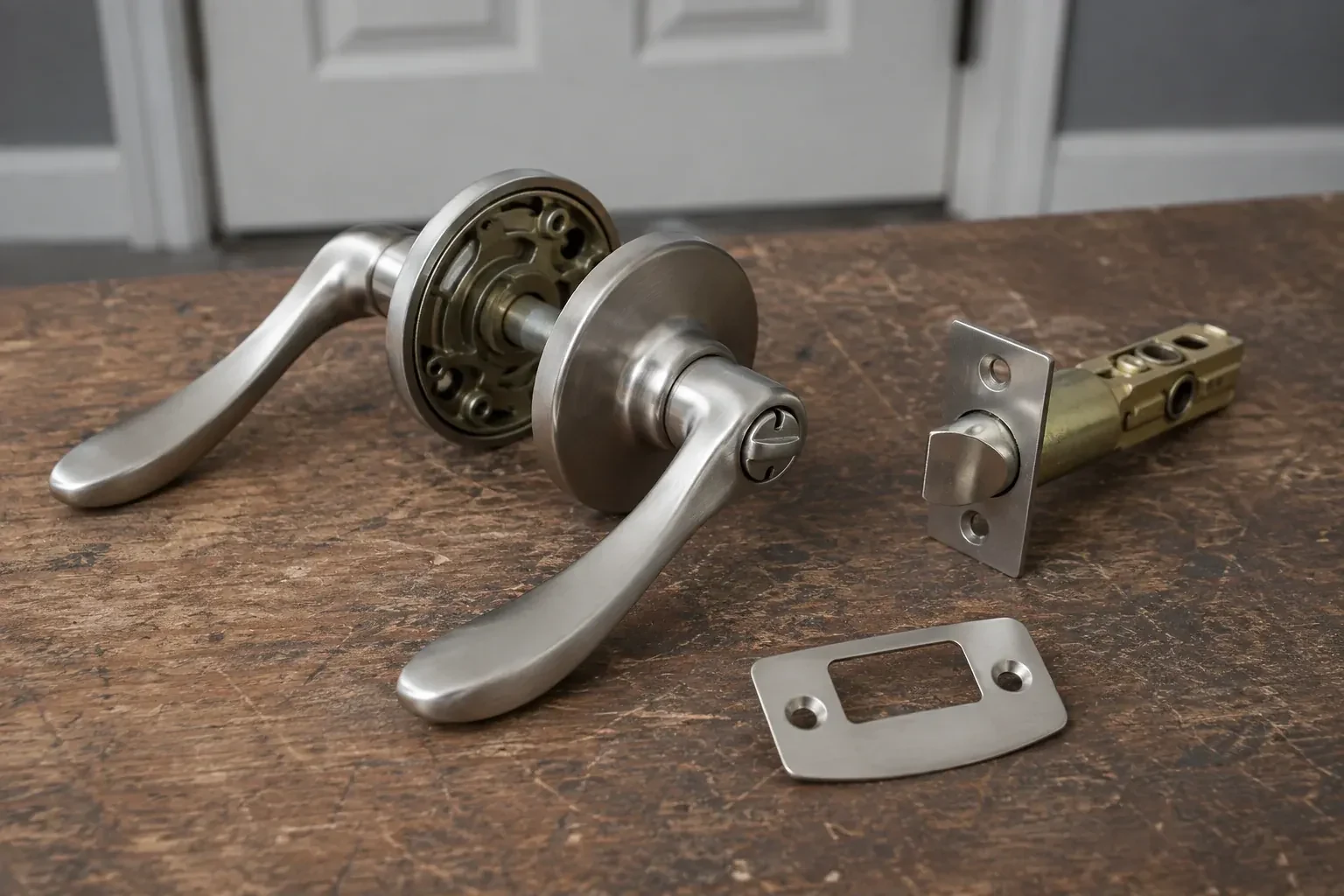
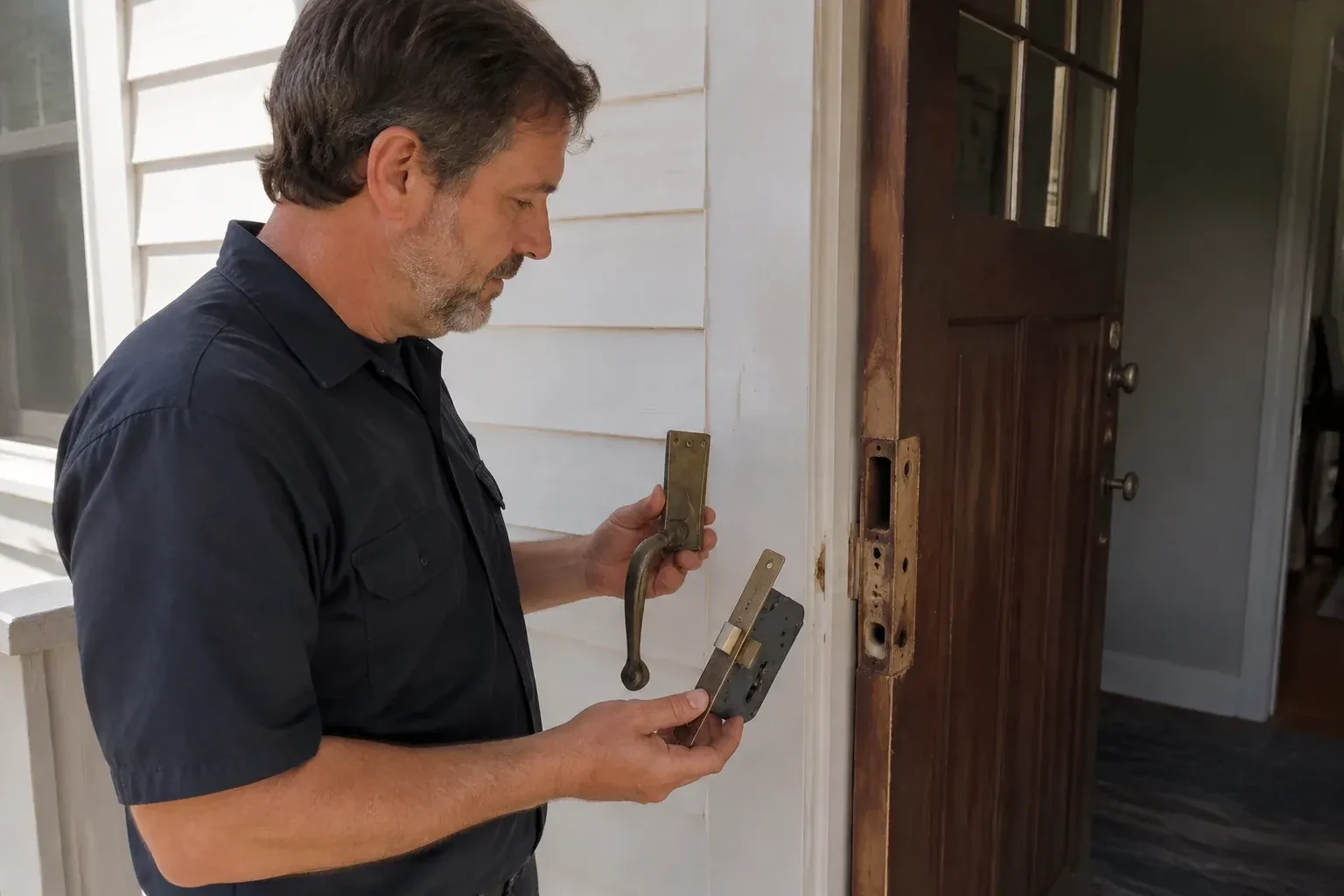
- The key turns freely in the round cylinder on the door, all the way around and back, without the bolt shifting at all.Vintage Mortise Lock Service
- The kids get home before you do and the spare key has been lost twice this school year.Smart Lock Installation
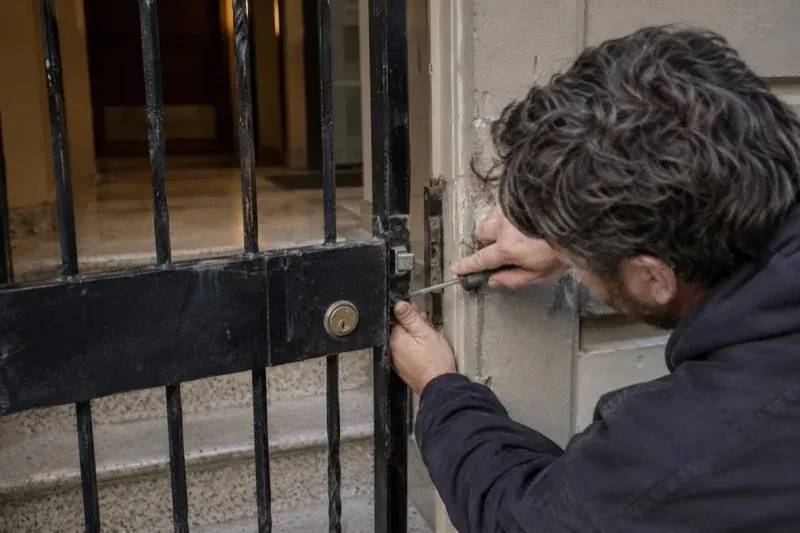
- Someone pried at the gate latch overnight, and now the strike plate hangs by one screw and the cylinder spins loose in its housing.Gate & Building Entry Locks
Change or Rekey Locks
New keys for the locks you have, or new locks where the hardware has worn out: rekeying, replacement, deadbolts, smart locks and older mortise hardware.
Lock Rekeying
Deciding the key groups
Not every door in a home needs to answer to the same key, and the plan is written down before work starts. Most households want the exterior doors keyed alike so one key does everything. Some want exceptions: a basement suite on its own key, a home office or a storage room that visitors should not enter, a shed on a separate key that can be lent out without exposing the house.
The locksmith sketches the groups with you, notes how many keys each group needs and who will hold them, and only then begins removing cylinders. Getting this straight first means no cylinder is pinned twice.