Commercial · Barrie
Master Key System Design
After a busy shift the manager counts the keys coming back in and loses track of who still has one.
In plain words
A master key hierarchy usually has three layers. At the bottom, an individual change key opens one door or a small keyed-alike group for the person who needs it. In the middle, a sub-master opens a defined group, such as every door on a floor or in a department. At the top, a single master opens the whole set and is kept to a short list of people. Master key system design is the process of deciding where those layers sit for a particular business, choosing hardware that can support them, and cutting and testing the keys so each layer works exactly as planned, no more and no less.
How the visit goesA dental office wants the front desk to lock up at night without ever holding a key to the room where patient records and controlled supplies are stored. Right now one master key opens both, which nobody is comfortable with once it is pointed out.
Master Key System Design
How the visit goes

What a shared or multi-tenant building already has in place
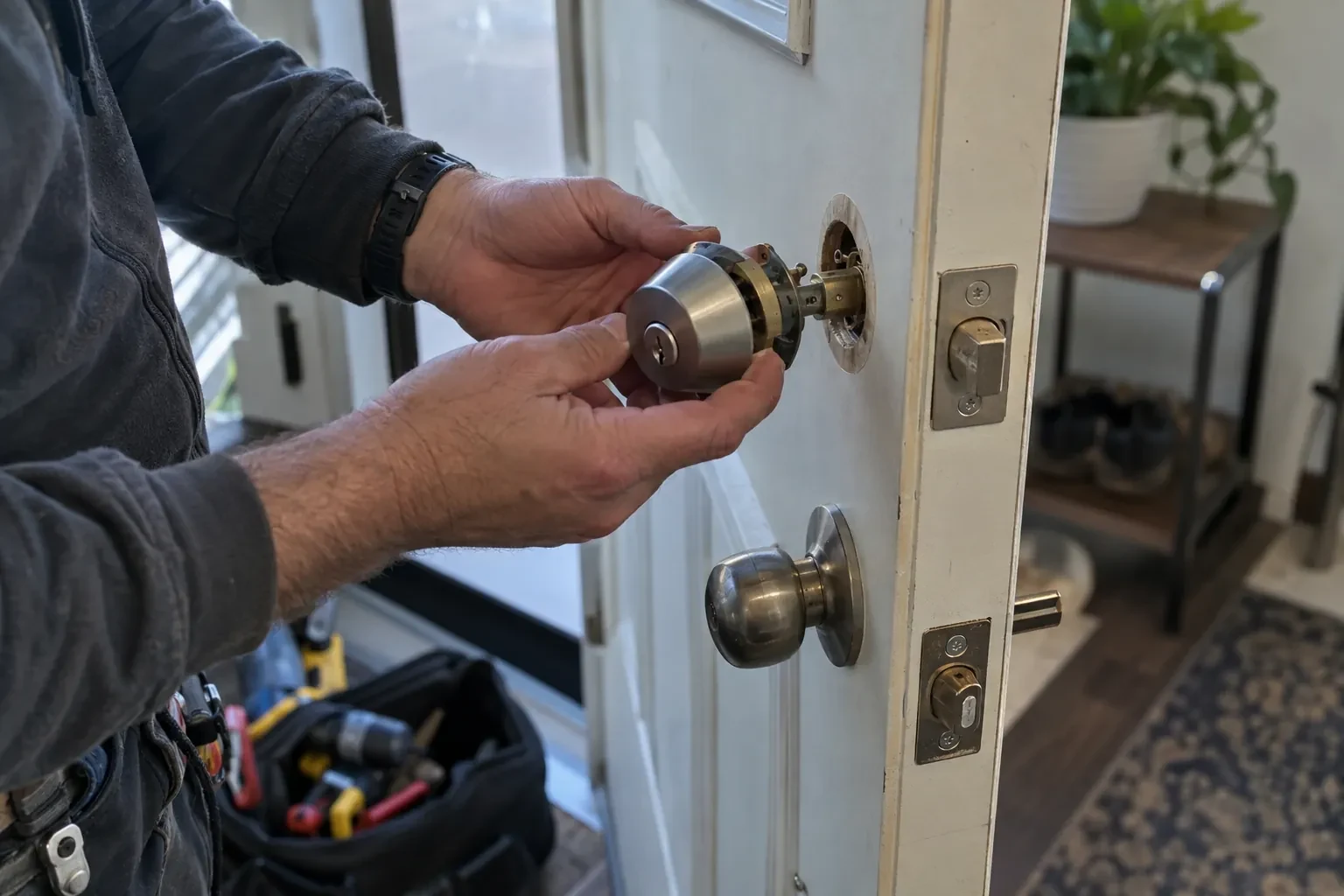
Where the property sits inside a larger building, the check looks at what is already shared: a condominium corporation's own lobby or garage system, a landlord's building-wide master, or another tenant's separate keying. The new hierarchy is designed to sit alongside those systems rather than to cut across them, so a tenant's own suite keeps its own private levels while common areas continue to answer to whoever already manages them. Sorting this out first avoids designing a system that quietly conflicts with access someone else controls.
Testing every level before it is trusted
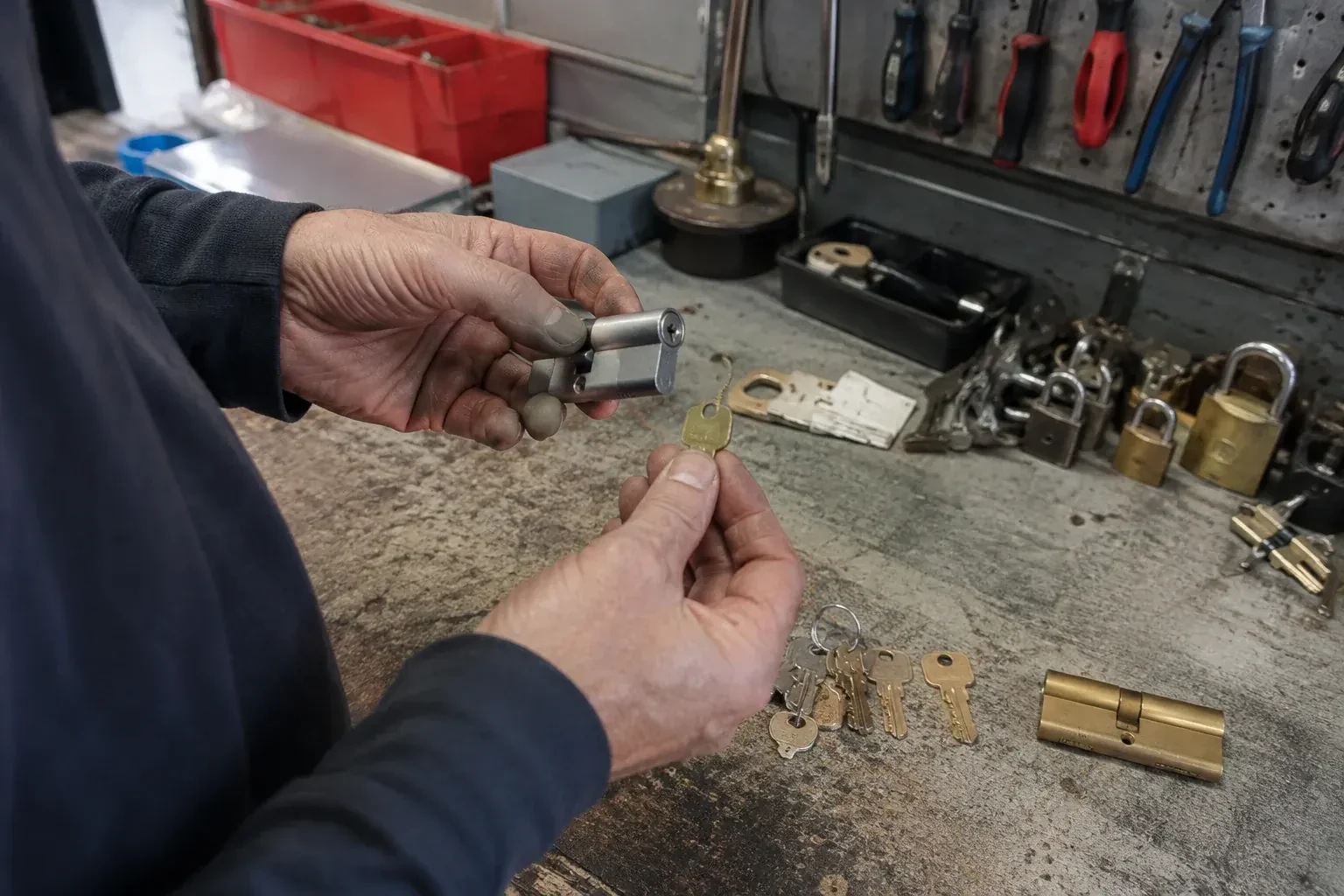
Each cylinder is tested on the bench with its assigned keys before it goes back on the door, then tested again once installed: the change key on its own door, the relevant sub-master across its whole group, and the top-level master across the entire property. Any lock that opens with a key it should not respond to is pulled and corrected on the spot rather than noted for later, since a hierarchy that has not been proven lock by lock is only a plan, not a working system.
A building that finally matches its own org chart
The most visible change is often the simplest one: the level of key someone carries now matches the role they actually hold, instead of matching whatever happened to be handed down or copied over the years. Walking the building afterward, each door answers to keys that were deliberately assigned to it, and the chart in the office explains every one of those decisions to anyone who asks about it.
Master Key System Design
In the van
Restricted or standard key blanks
Bench test fixture
Compatible replacement cylinders
Master pin kits
Key cutting machine
Master Key System Design
What affects the quote
Collecting and retiring old keys
Gathering up old keys that are being replaced, confirming they no longer operate any cylinder, and retiring them from circulation is a small additional step some businesses want included, separate from the core design and cutting work.
Whether hardware needs replacing for accessibility
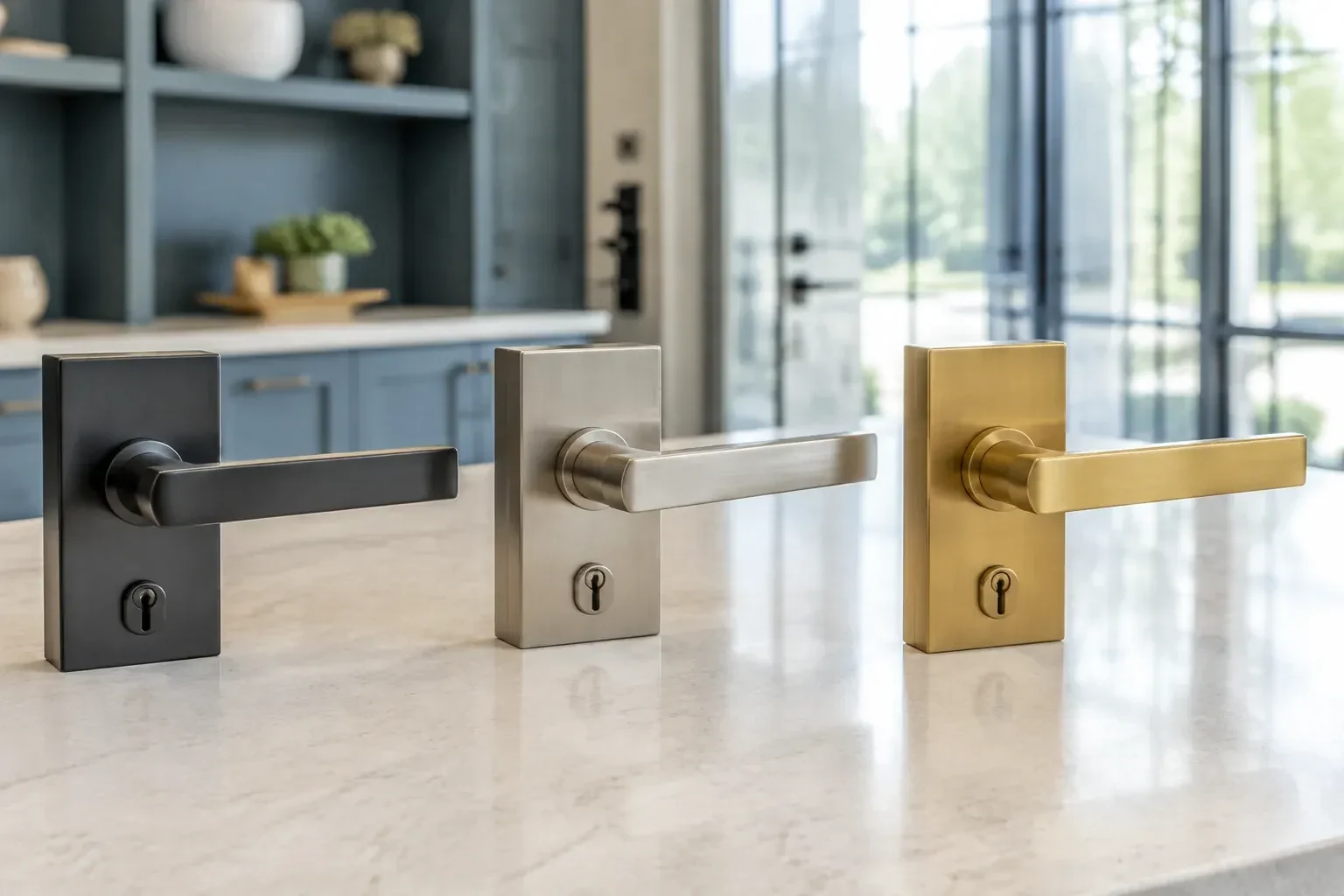
Doors on a barrier-free path of travel need lever or paddle-style hardware rather than round knobs, so a property with several such doors that currently have incompatible hardware has more replacement work folded into the project than one already fitted with compliant hardware.
Testing scope before handover
Testing every cylinder individually and then testing each master and sub-master across its full group takes time proportional to how many doors and levels exist. A larger hierarchy with more levels to verify against more doors adds to that testing time.
What to have ready
- Is a top-level master needed, and for how many people?
- Do any doors already use keypad or card-based access?
- Are any doors part of a shared or condominium-controlled building system?
Master Key System Design: questions
QuestionsShould I keep spare blanks or unpinned cylinders on hand?
It depends on how the keyway is controlled. With a restricted system, spare blanks are typically held by the locksmith against the authorized record rather than stored loosely on site, since that is what keeps duplication contained. With a standard keyway, keeping a few spare cylinders of the same platform can simplify a later addition, though it is not required.
What is a master key system, in plain terms?
It is a set of keys arranged in levels rather than issued one at a time. An individual change key opens one door, or a small group of doors keyed alike. A sub-master opens a defined group of doors, such as everything on one floor. A single top-level master opens the whole set. The levels are designed around who actually needs each one, then cylinders are pinned to match, so the physical keys follow an organization's real structure instead of years of informal copying.
How long does designing and installing a master key system take?
It depends on the number of doors and levels involved. A small business with a handful of doors and one or two levels moves through assessment, pinning and testing in less time on site than a multi-floor property with several departments and a top-level master, where more doors, more testing and more keys to cut all add to the work involved.
Related services
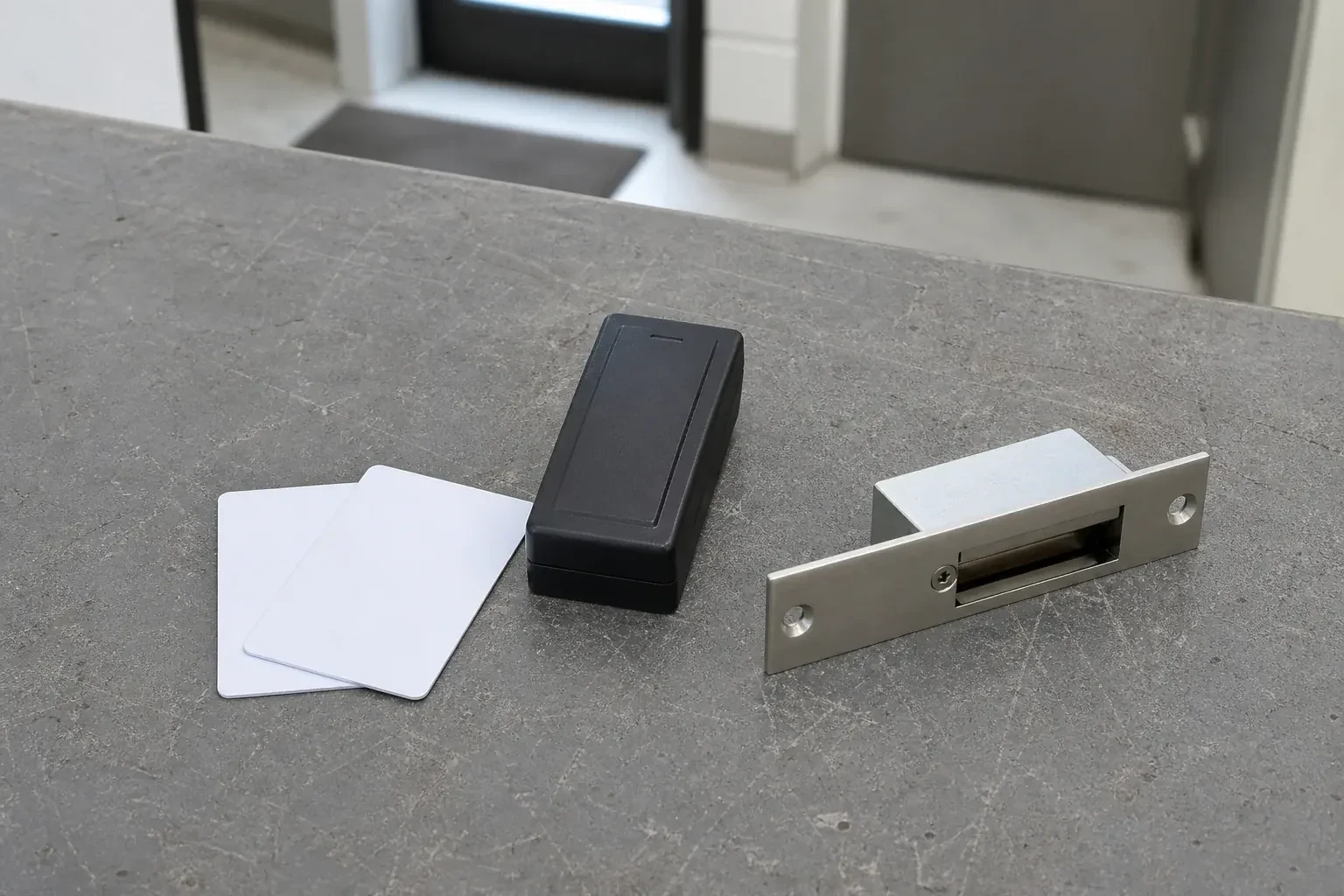
- Access Control InstallationHead office wants a record of who opens the branch and when, tied to an actual name rather than a shared code scrawled on a sticky note taped under the till.
- Panic & Exit HardwareThe crossbar on the loading-dock door barely returns anymore.
- Commercial-Grade Lock ReplacementThe kitchen delivery door gets shouldered open more than a hundred times a shift, and lately the latch slips past the strike plate instead of catching it on the first push.