Change or rekey · Barrie
Lock Rekeying in Barrie
The builder handed over your new home with a stack of identical keys, and you know the framing crew, the painters and the flooring installers all used a construction key during the build.
In plain words
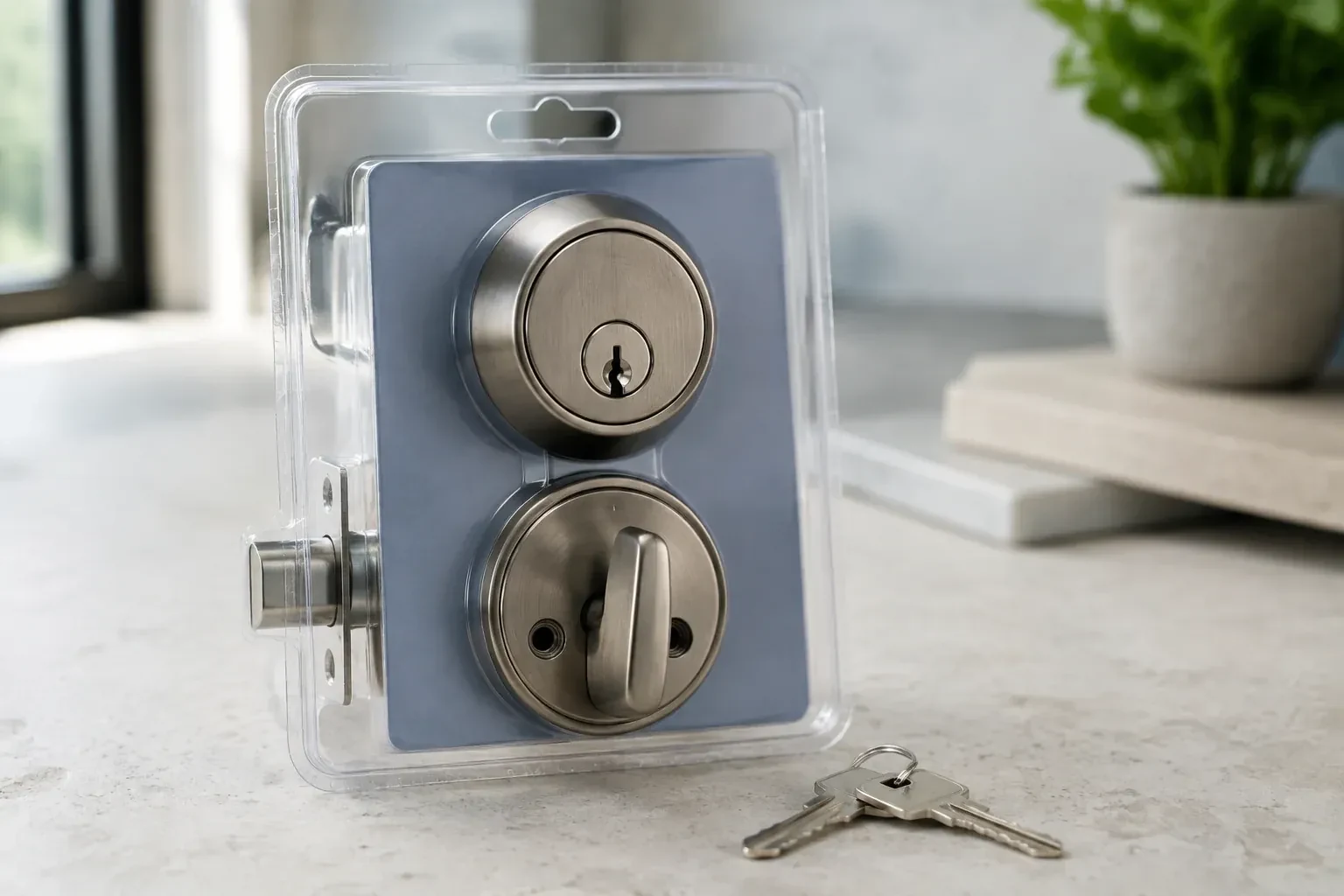
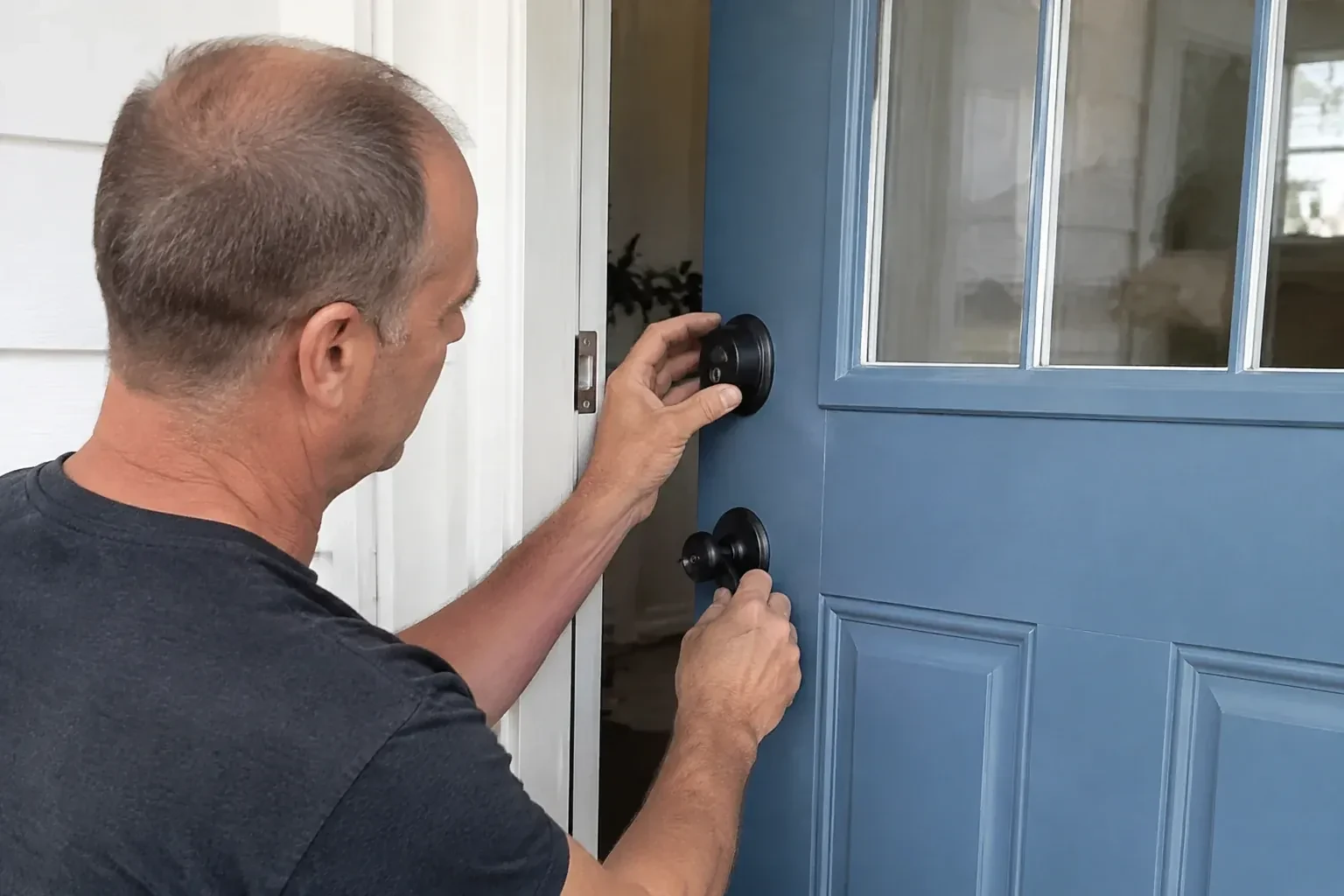
What you keep after rekeying is almost everything. The deadbolt, the handle set, the finish that matches your door hardware, the strike plate and the holes in the door all stay exactly where they are, which matters on an older door where new hardware rarely lines up with old mortises. What changes is a handful of brass pins a few millimetres long inside each cylinder, and the key in your pocket. The work is done on site, one cylinder at a time, so the house is never left with an unsecured door, and worn springs or a sticky plug can be dealt with while the cylinder is already apart.
How the visit goesThe builder handed over your new home with a stack of identical keys, and you know the framing crew, the painters and the flooring installers all used a construction key during the build. The doors are brand new, but the key that opens them should be yours alone.
Inside the lock
What a rekey changes
01
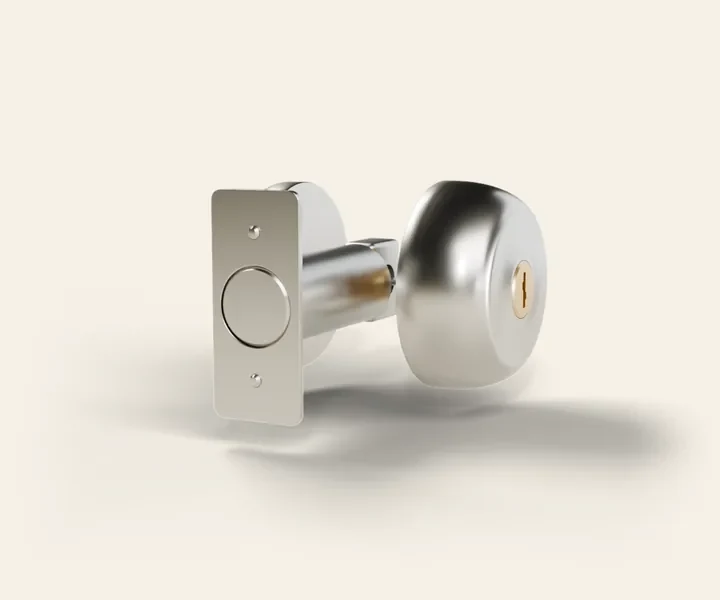
The lock you already have
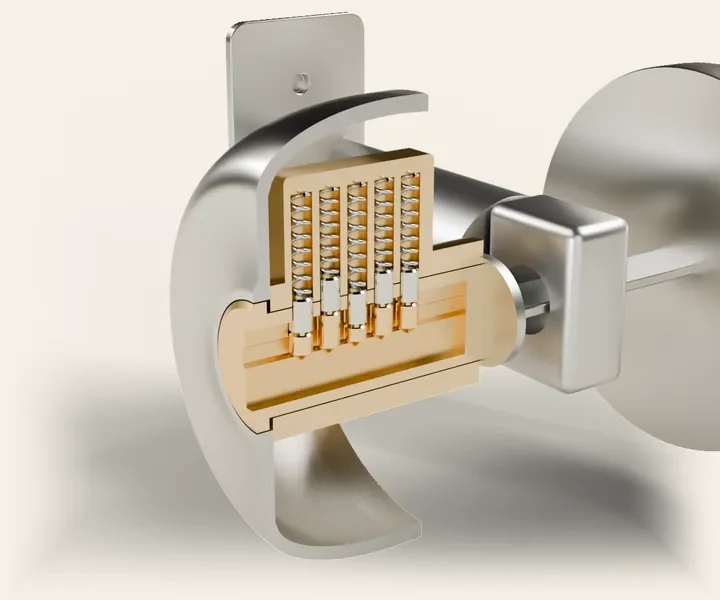
02
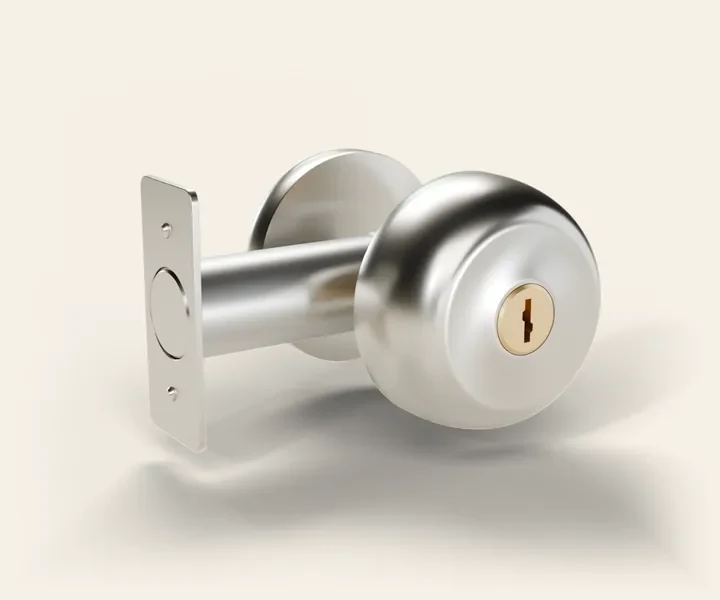
Inside the cylinder
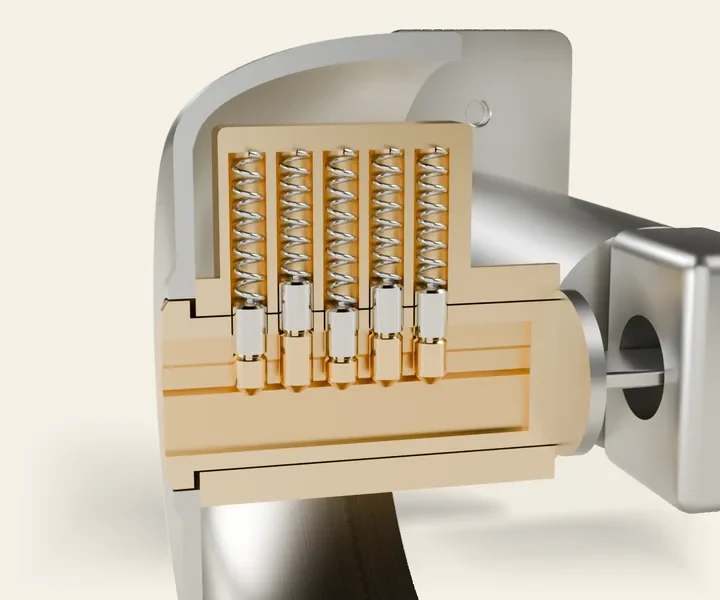
03
Pins, springs and the shear line
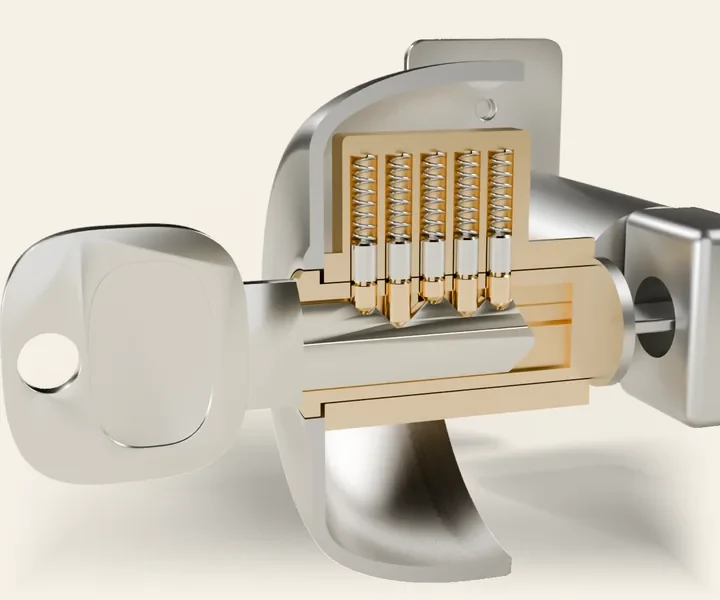
04
A new key, new pins
Lock Rekeying
How the visit goes
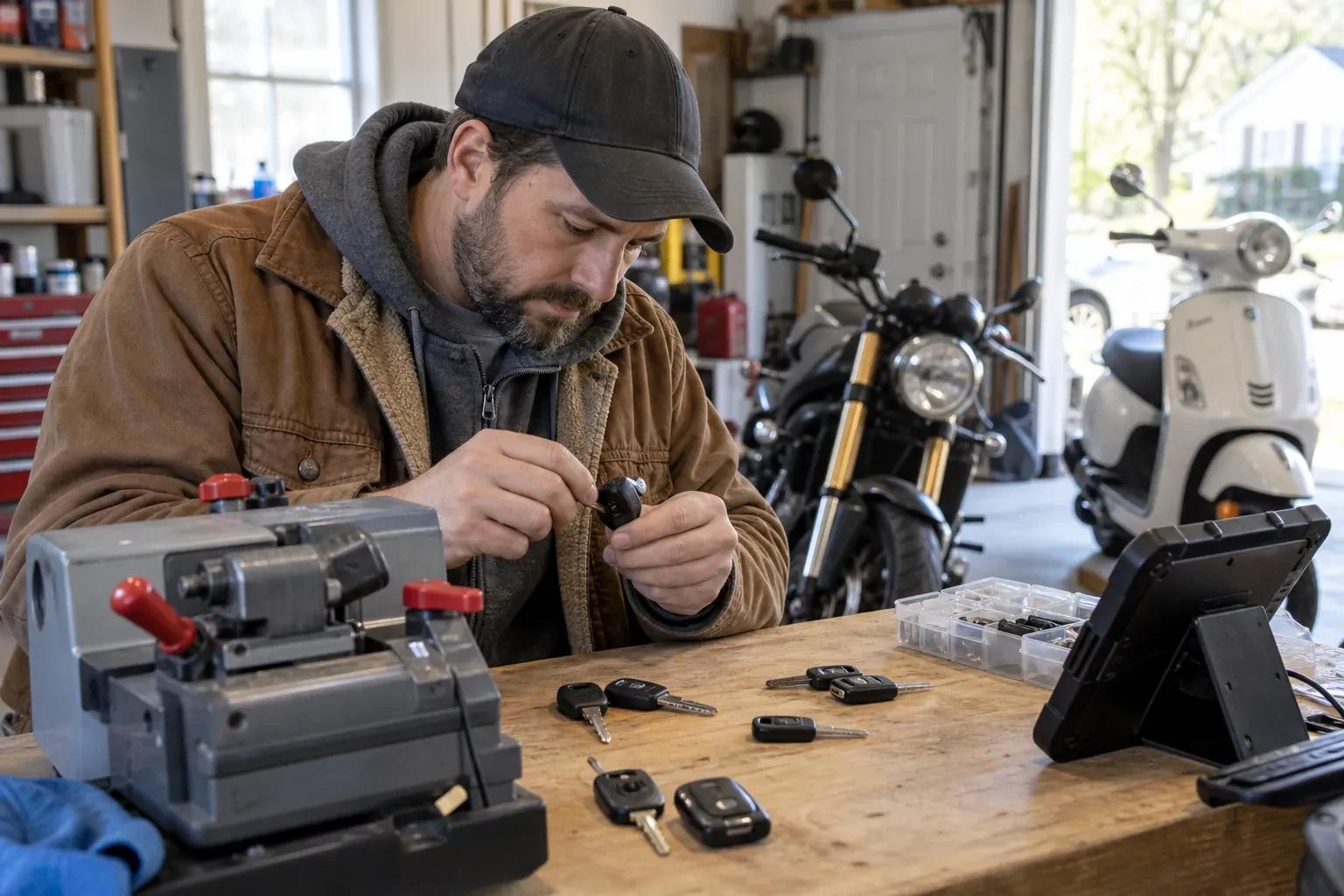
The condition of every cylinder
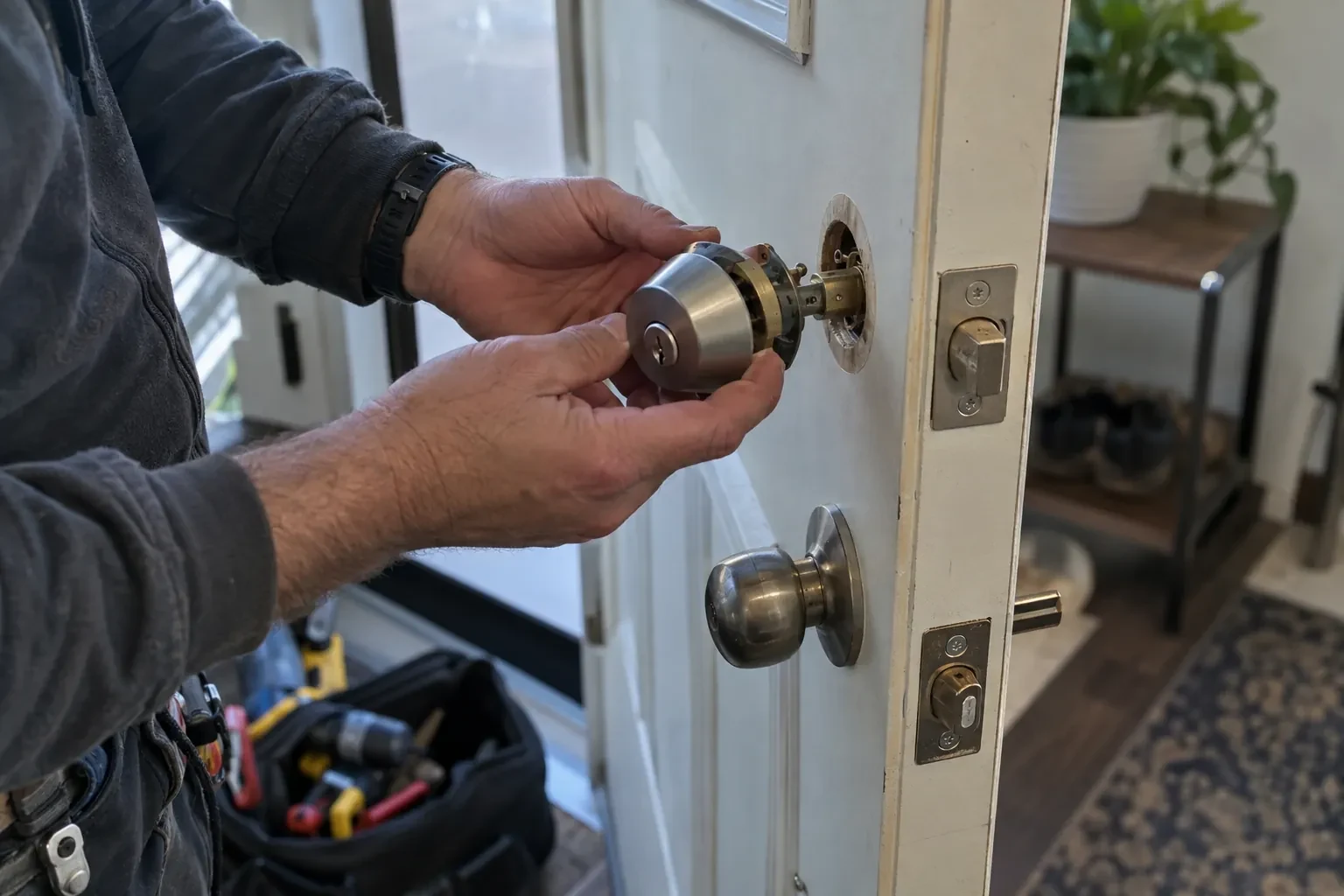
A cylinder about to be pinned to a new key should be worth pinning. The locksmith turns the existing key in each lock and feels for a plug that drags, soft springs, a wobbling cam or a keyway packed with grit and old oil. A cylinder in good order is rekeyed as it is. A worn one is cleaned and given fresh springs while it is apart, and one that has truly worn out is pointed out so you can choose a replacement rather than have new pins dropped into a tired lock. A bolt that binds against its strike gets noticed here too, so the strike can be adjusted while the locksmith is at the door.
Sliding the plug and changing the pins
With the cylinder in hand, the locksmith removes the cam or tailpiece from the back, inserts the existing key and turns the plug slightly so the top pins clear, then pushes a plug follower in behind the plug as it slides out. The follower holds the top pins and springs in the housing so nothing springs loose. The plug now sits on the bench with its row of bottom pins exposed, and those pins are tipped out. This is the heart of rekeying a pin-tumbler cylinder: the pins that decided which key worked are gone, and the plug is ready to receive a set that matches a key nobody has ever carried.
Living with one key for the house
If the visit brought your doors onto a single key, daily life gets a little simpler: one key opens the front door, the back, the garage's side entry and the shed, and the ring in your pocket shrinks to the car key and one for the house. Anyone you give a key to gets the same freedom, which is convenient for family and worth thinking about for anyone who should only reach one door; that is what a separate group is for. Keypads and smart locks keep their codes, and their override cylinder now takes the same key. If you add a door later, its cylinder can be pinned to match.
Lock Rekeying
In the van
Replacement cylinder for odd keyways
Key tags and keying record
Reset tool for user-rekeyable cylinders
Pinning tweezers and tray
Dry graphite or PTFE lubricant
Lock Rekeying
What affects the quote
Several units in one building
A landlord rekeying a duplex, a triplex or a small apartment building, with each suite on its own key and a common entry shared, has more cylinders and a keying chart to build, and the quote grows accordingly.
Mismatched keyways needing a cylinder swap
Where one door's cylinder cannot take the key the other doors share, a compatible replacement cylinder is fitted and pinned to match, and that hardware appears as its own line in the quote.
Smart lock override cylinders and codes
Pinning the backup cylinder of a keypad or app lock to the house key is a small extra task, and reviewing or deleting user codes at the same time is another, each named in the quote.
What to have ready
- Would you like every door on one key, or should some doors stay separate?
- Is the home a condo or in a building with shared entrance doors?
- Do you have a working key for every lock, or is there a door with no key at all?
Lock Rekeying: questions
QuestionsDo the old keys really stop working?
Yes, at every cylinder that was rekeyed. Once the bottom pins are changed, a key cut to the old combination lifts them to the wrong heights and the plug will not turn. The locksmith proves this at each door by trying the old key after the new one, because any door missed from the list would still answer to the old key. That is also why the walk around the property at the start matters: every door meant to be included has to be on the list.
My locks are different brands. Is that a problem?
Not a problem, just a detail to plan around. What matters is the keyway, meaning the profile of the slot the key fits, rather than the name on the lock. Different makers sometimes share a profile and sometimes do not. Where two cylinders cannot accept the same key, one is exchanged for a compatible cylinder in the same finish and pinned to match. From the outside the door looks the same and from your pocket it is one key.
Can I keep one door on a different key from the rest?
Yes, and it is common. A basement suite or in-law apartment often gets its own key so the tenant's key opens their door and nothing else, while your key opens the main house. A home office, a storage room or a shed can be kept separate for the same reason. The locksmith sets up the groups you want, pins each accordingly and tags the keys so the separate one is not mixed into the household set.
Related services
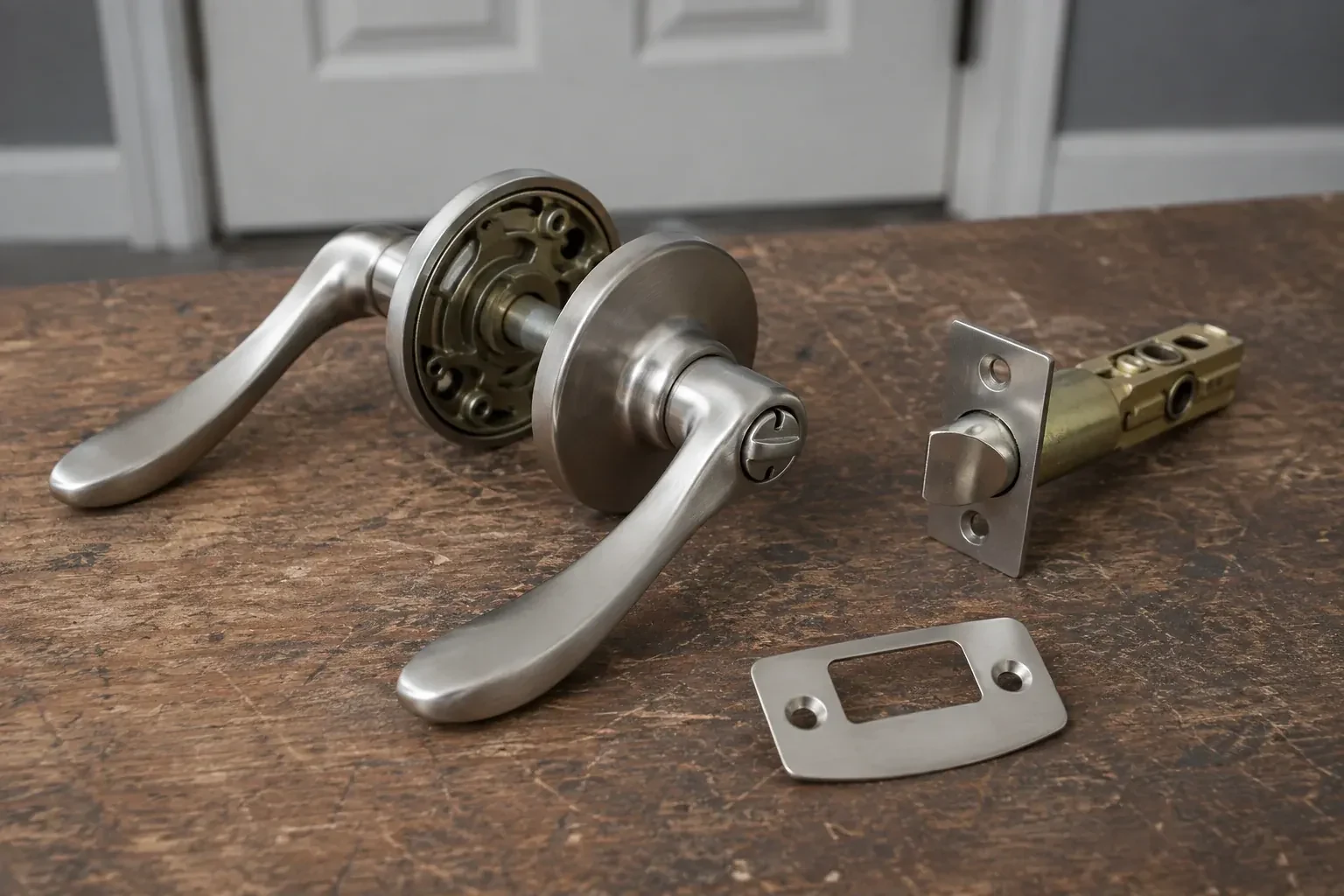
- Lock Replacement & UpgradeThe house is fifteen years old and every exterior door still wears the light hardware the builder fitted: a short bolt, a thin strike held by two small screws, and a knob lock that never suited a street entrance.
- Vintage Mortise Lock ServiceThe key turns freely in the round cylinder on the door, all the way around and back, without the bolt shifting at all.
- Smart Lock InstallationThe kids get home before you do and the spare key has been lost twice this school year.