Lockouts · Barrie
Lost Keys — Same-Visit Rekey in Barrie
The keys fell out of a gym bag somewhere between the arena and the parking lot.
In plain words
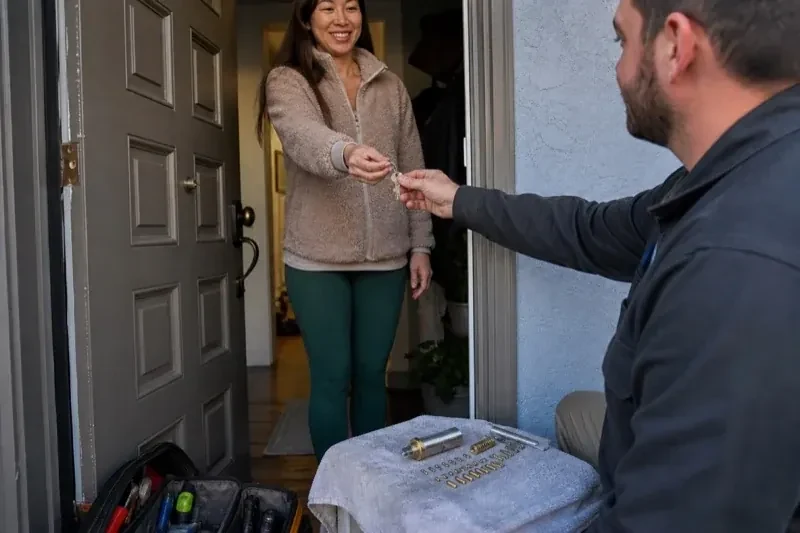
The first useful move after losing a key is to think about where it worked rather than where it went. A house key commonly opens more than the front door: the back door, a side entrance, the door from the garage into the house, a shed, a gate padlock, sometimes a storage room or a mailbox. A same-visit rekey starts by listing those openings, then treats the ones that are yours to change and points you to the right person for the ones that belong to a landlord, a condominium or the postal service. Every cylinder on the list leaves the visit taking a new key.
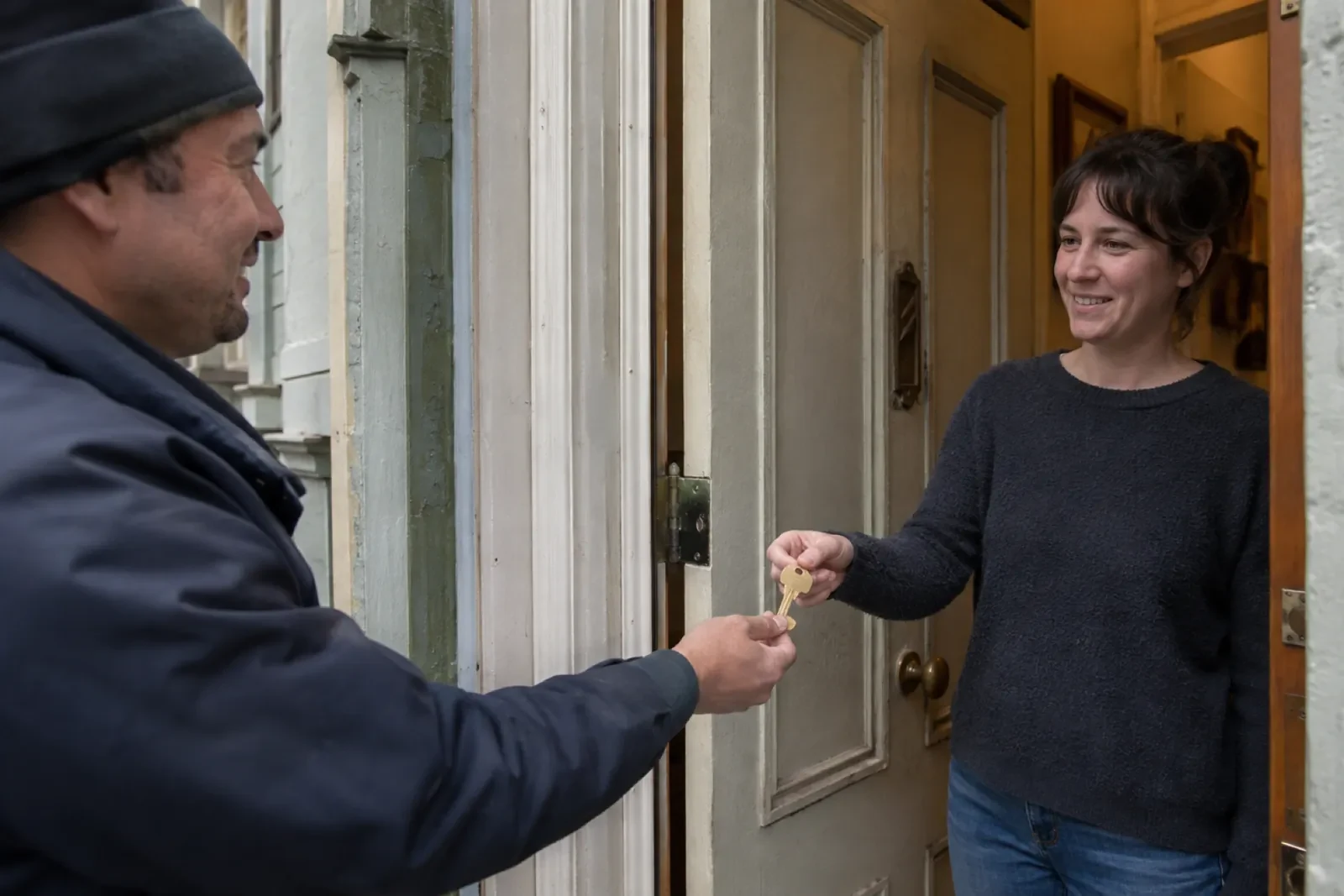
How the visit goesThe renovation wrapped up in the spring. The crew was good, the kitchen looks right, and the key you handed the foreman on day one was never handed back. Nobody kept track of who on the crew carried it.
Lost Keys — Same-Visit Rekey
How the visit goes
Where the tenant and landlord line falls
Rented and shared buildings add a boundary that the locksmith maps early. A tenant's suite door is theirs to use but a lock change is agreed with the landlord, who receives keys as well. A condominium suite cylinder may sit on the building's master system, so its rekey is planned so the master still works, and the lobby, garage and amenity doors stay with the corporation. A small business rekeying a shop door checks what the lease says about the landlord holding a key. Sorting this out on the doorstep keeps every party informed and lets the work proceed with no surprise phone calls the following week.
Bringing every door onto one key
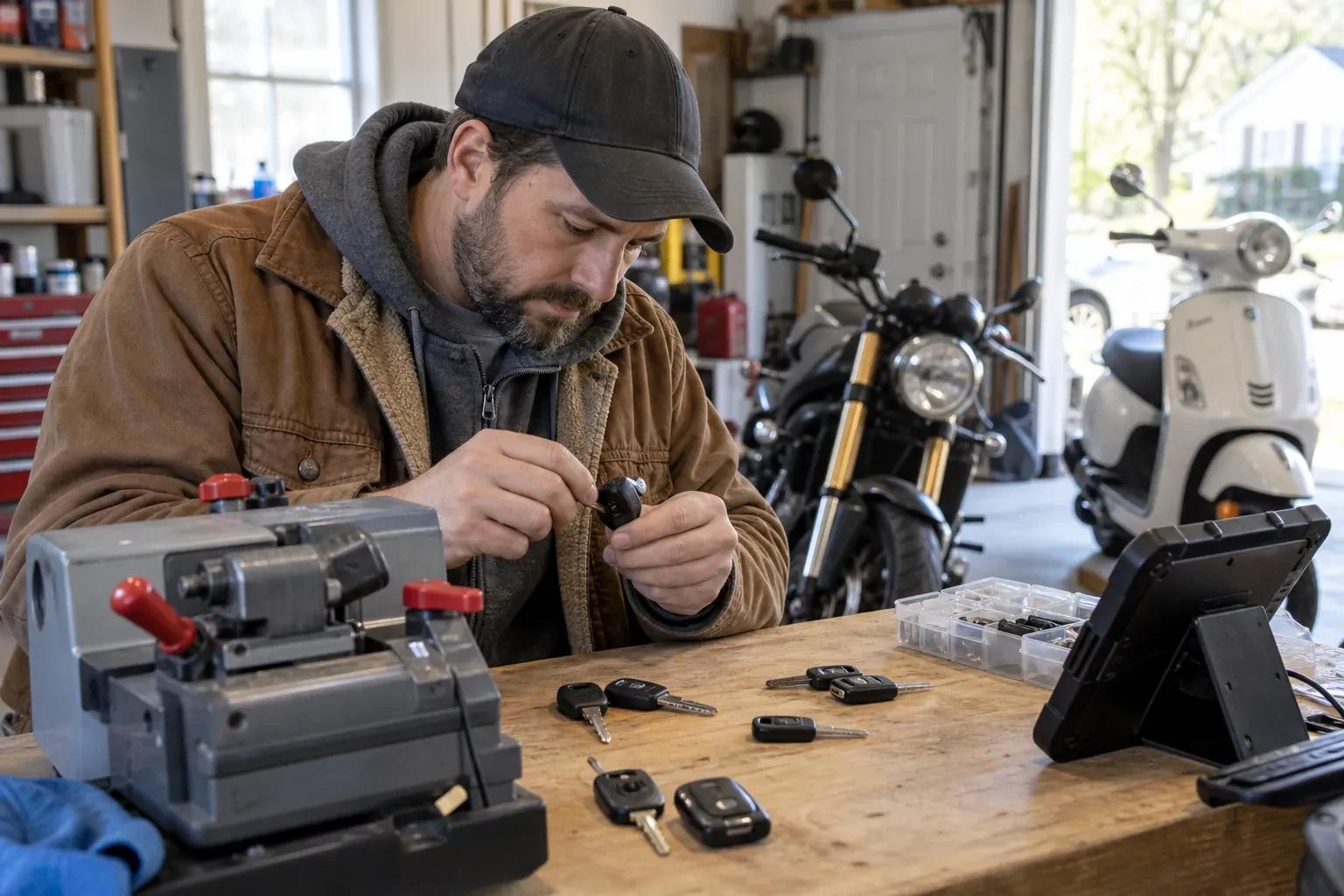
When the household wants a single key, the locksmith pins each compatible cylinder to the same combination in turn, using the same cut key as the reference so nothing drifts between doors. A cylinder from a different keyway family is exchanged for one that matches, or the household keeps a second key for that door if they prefer. Where a home has a keyed garage entry, a shed and a gate on the same list, they follow the same process. The finished set is tried door by door with a single key, and the spare cylinders and old keys are gathered up so nothing that fits the old combination stays in circulation.
One key on the ring
If the house was keyed alike during the visit, the ring that goes back in your pocket is lighter. One key opens the front door, the back door, the garage entry and the gate. Each family member carries one thing instead of a jangle, and the question of which key goes to the dog walker has one answer. New doors added later, a shed or a workshop, can be pinned to the same code when they are installed. Guests and sitters find the arrangement easier too, and a single key is a good deal harder to lose than a bunch.
Lost Keys — Same-Visit Rekey
In the van
Code key machine
Key gauge and decoder
Replacement cylinders
Top pins and cylinder springs
Rekeyable-cylinder reset tool
Lost Keys — Same-Visit Rekey
What affects the quote
Outbuildings, gates and padlocks
Sheds, gates and detached garages often carry padlocks or light cylinders. Bringing them onto the house key may mean a new padlock of a matching keyway, quoted as a part.
Restricted or high-security keyways
Patented and high-security cylinders carry more parts, need dedicated pin kits and issue keys through authorised channels. Rekeying them takes longer and the blanks cost more than common residential ones.
Number of keys cut
New keys are cut on site and counted individually. Two for a couple or six for a household with teenagers and a sitter: name the number and the quote reflects it.
What to have ready
- Is any lock a keypad, smart lock or homeowner-rekeyable type?
- Do you know roughly how many copies of the old key exist?
- Are the door locks all the same brand, or a mix?
Lost Keys — Same-Visit Rekey: questions
QuestionsWhen is replacing a lock better than rekeying it?
When the hardware itself is the weak point: a plug worn oval, a cylinder eaten by salt from a driveway-facing door, a light knob lock on an exterior door, a keyway with no blanks left in supply, or when you want a different style, a heavier deadbolt or a keypad. In those cases a new lock keyed to match the rest of the house is fitted in the same visit. Everything else is rekeyed.
Does the locksmith need to see the actual lost key, or just look at the lock?
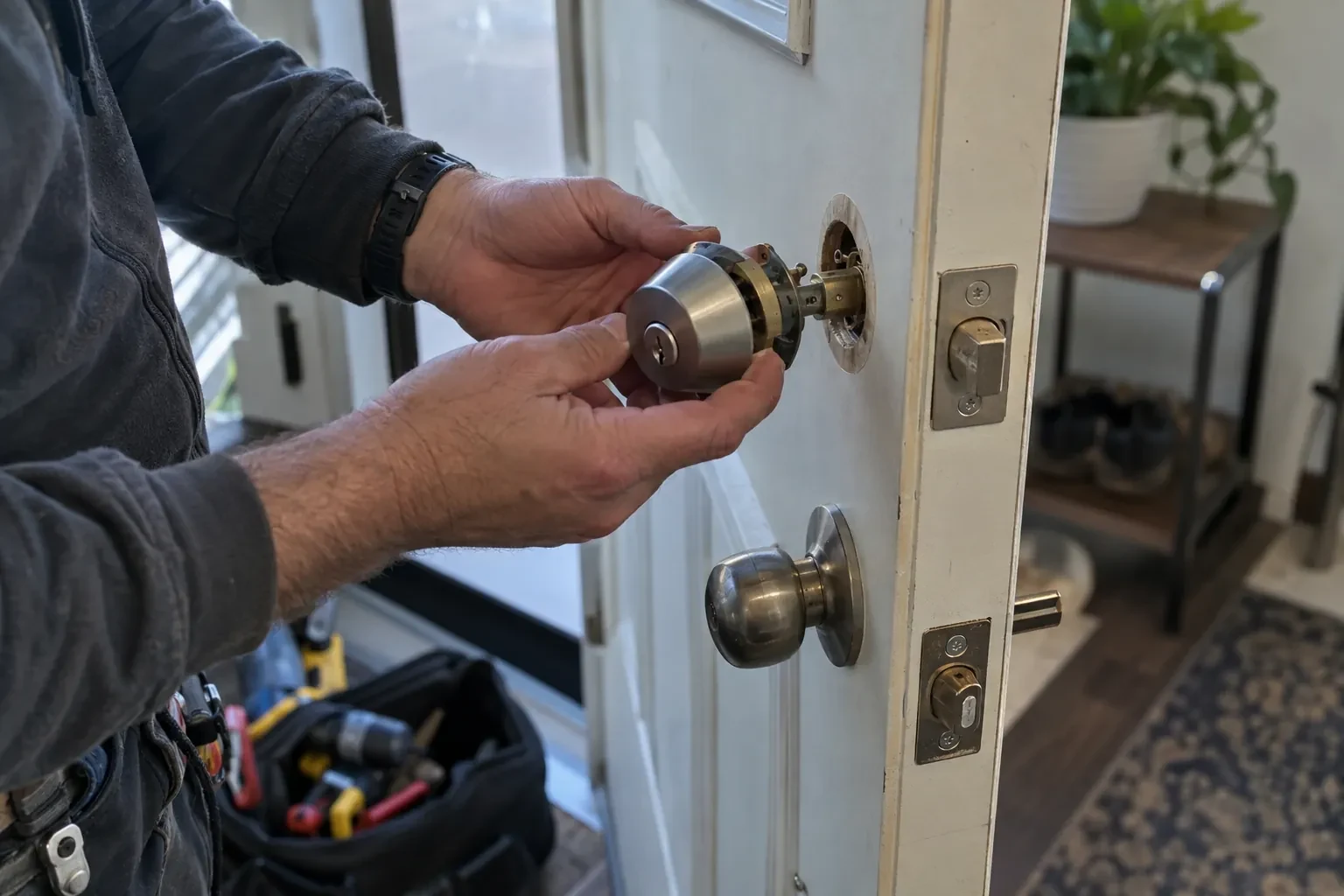
Just the lock, and the door it is fitted to. A rekey works on the cylinder itself: the locksmith opens it, fits a new set of pins matched to a fresh key, and the old key stops working the moment that is done, whether or not it ever turns up again. Knowing roughly how the old key looked, cut on both edges, a chip on the head, a certain brand, can still help identify which cylinders in the house shared that key.
My lock is the homeowner-rekeyable type but the working key is lost. Can it still be reset?
Yes. Those cylinders let an owner change the key with a small learn tool, but only while a working key is in hand. Without one, a design such as Kwikset SmartKey is removed and placed in its own reset fixture, returning it to a blank state; other cylinder types are rekeyed by their own method instead. A new key is then set and the lock goes back on. It is a few extra minutes rather than a replacement.
Related services
- Business Lockout ServiceYou signed the lease on the unit last week and the landlord handed over possession, but the previous tenant's locks are still on both doors and no keys came with them.
- Broken Key ExtractionThe padlock on the shed has been stiff all summer.
- Break-In Damage Lock RepairThere is a hole where the cylinder used to be.