Locksmith in Cundles, OntarioA tidy locksmithfor tidy homes in Cundles
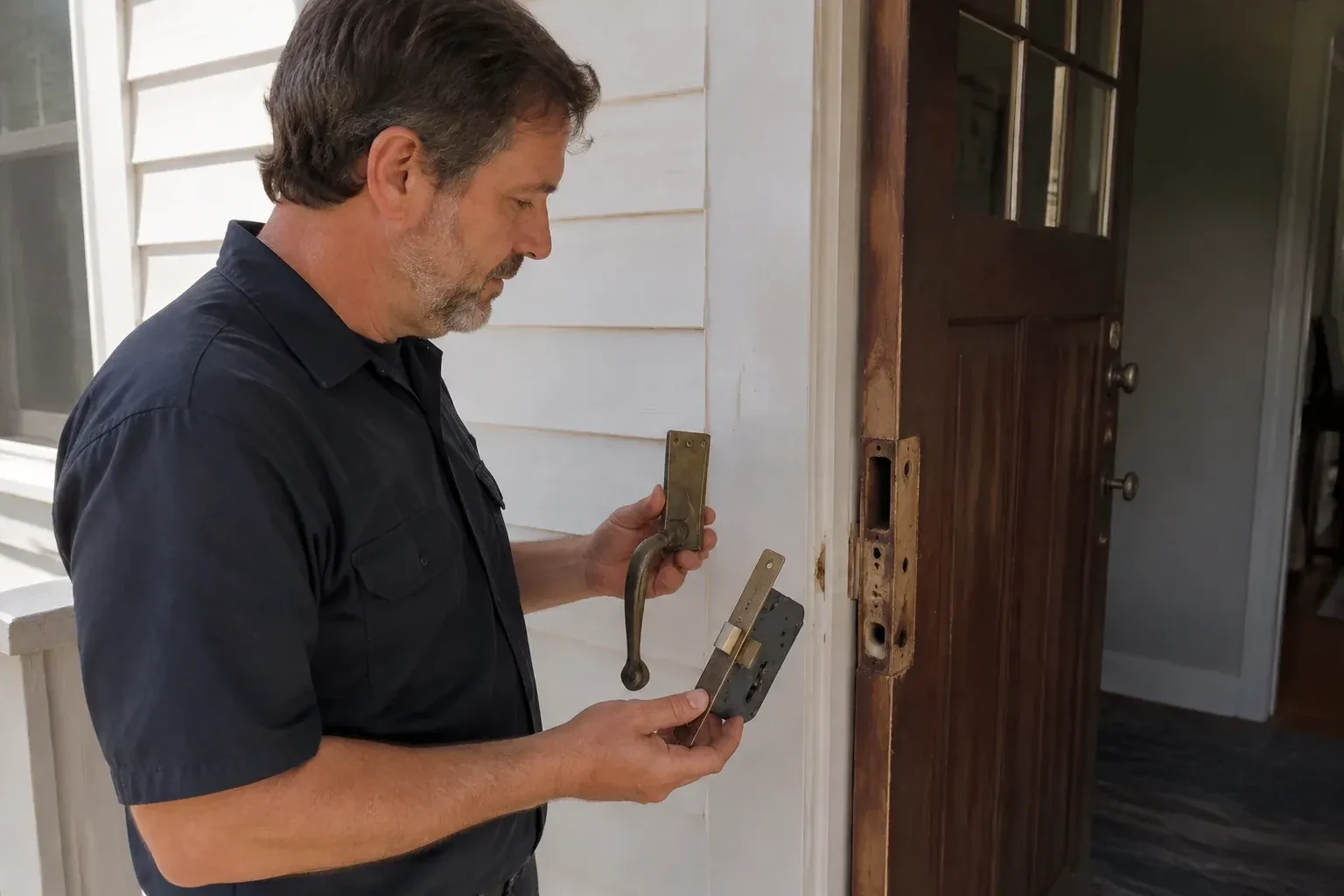
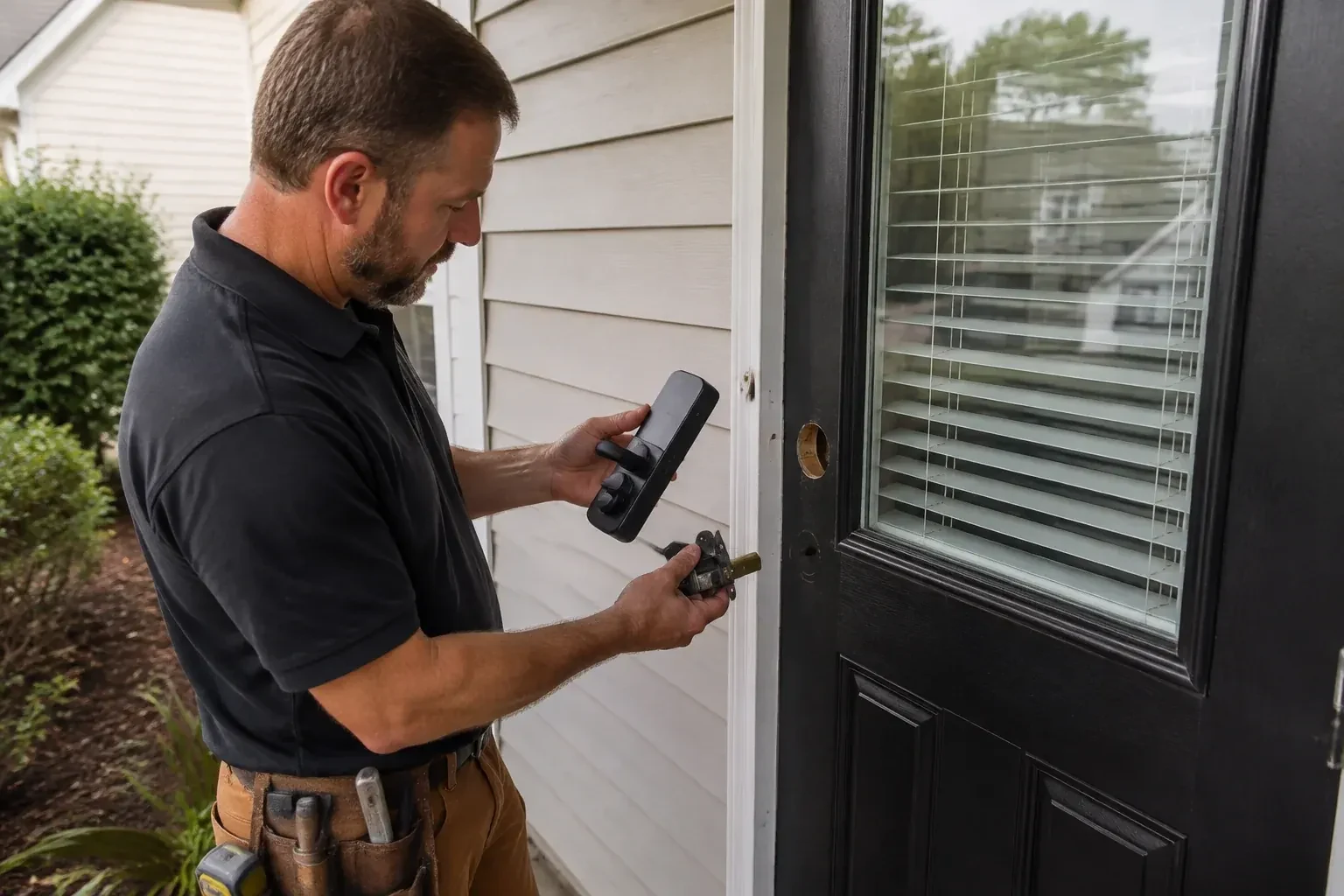
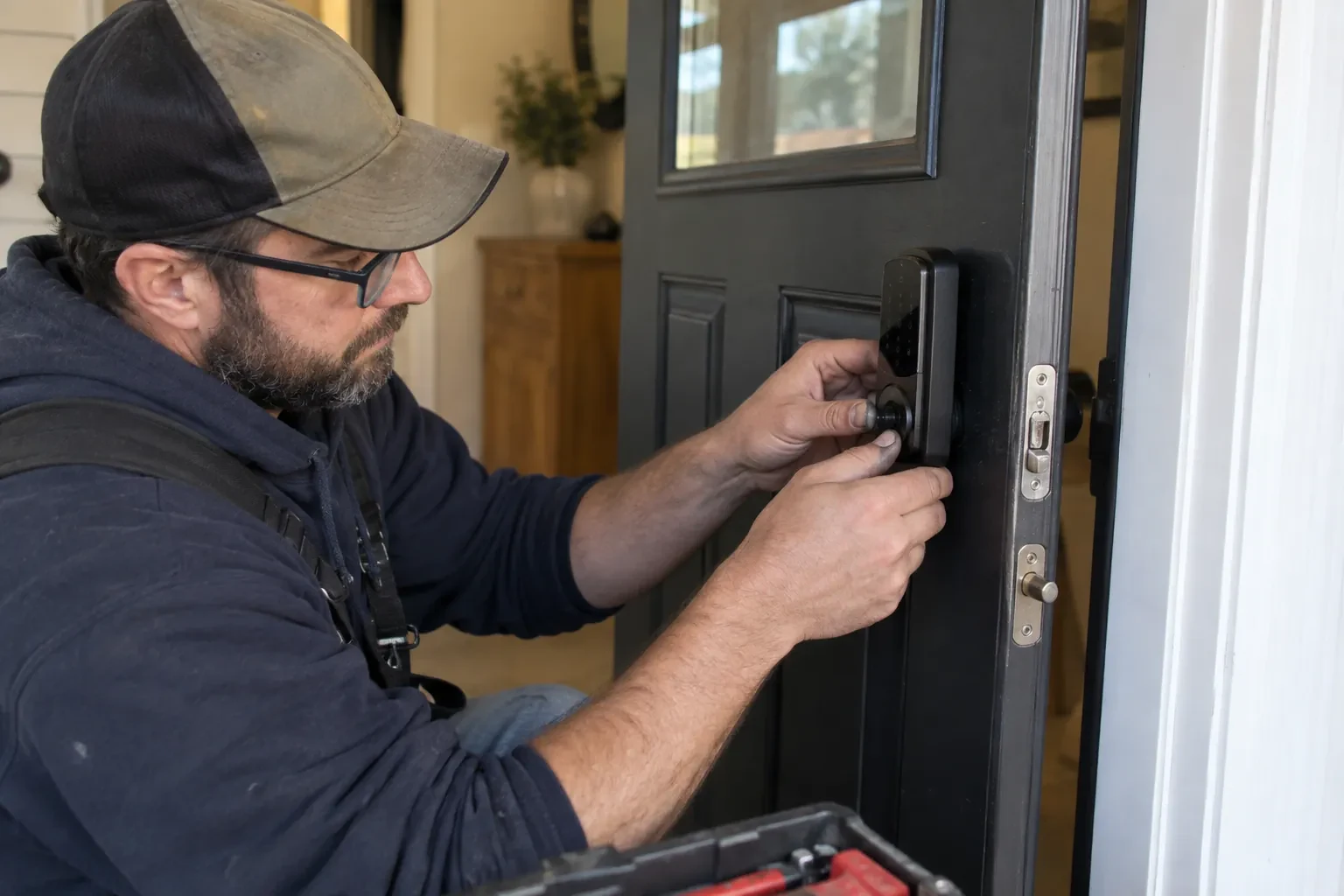
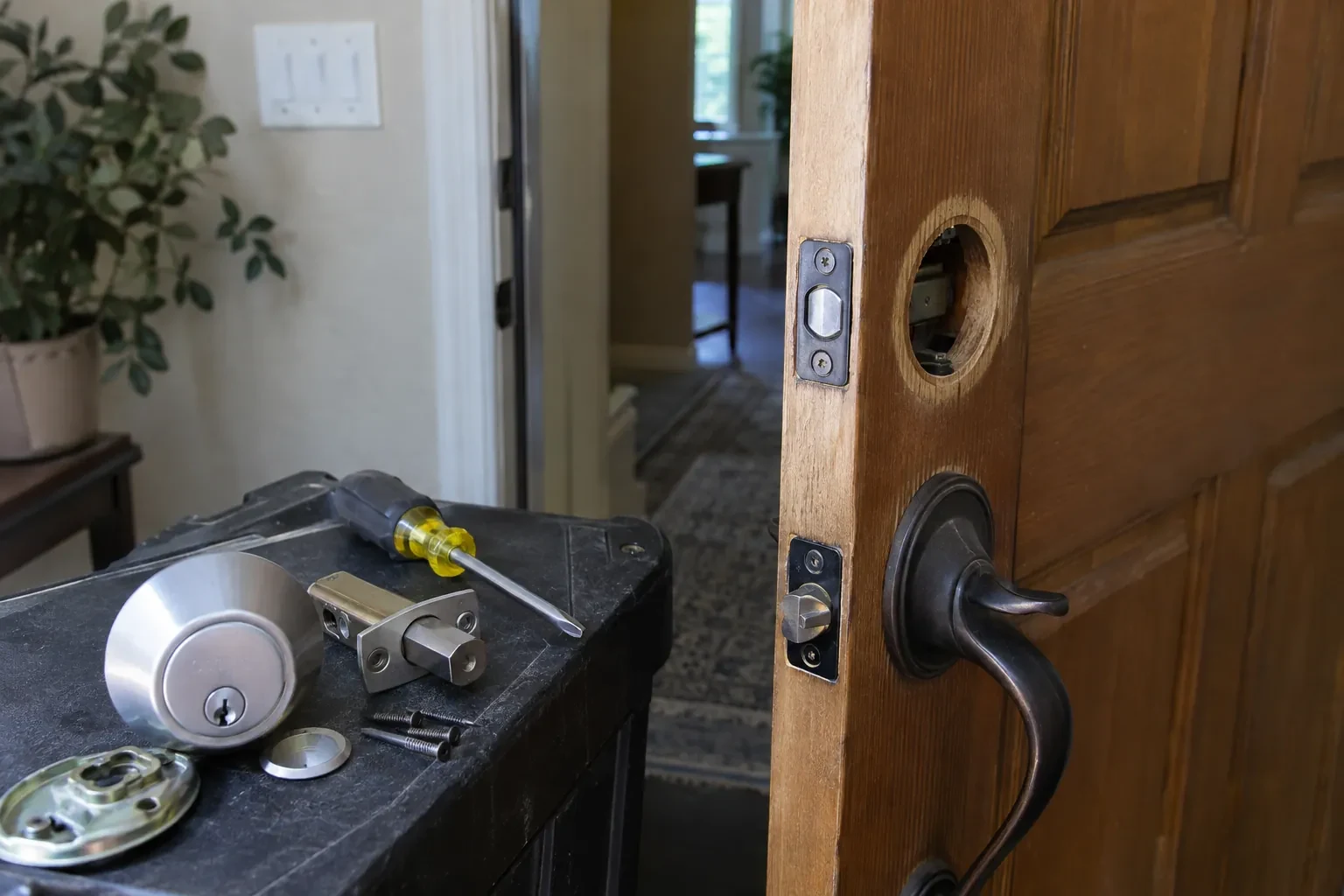
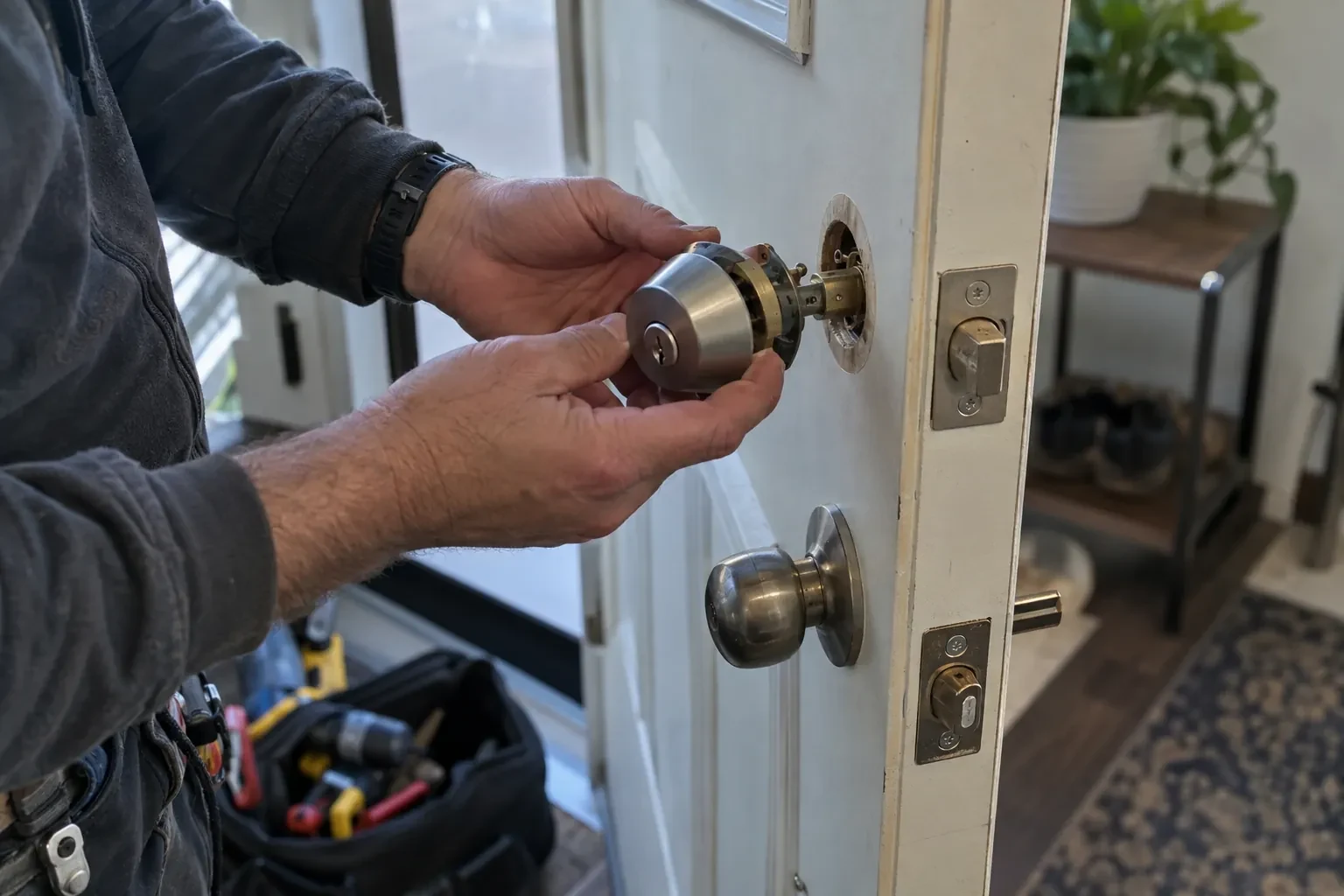
Lock work makes brass shavings, sawdust and small screws that roll under furniture. We put a drop sheet down, catch the mess, and vacuum before we go. Homeowners in Cundles should be able to tell we were there only by the way the door now locks, not by anything left behind. This page also covers Little Lake.
Lock work makes brass shavings, sawdust and small screws that roll under furniture. We put a drop sheet down, catch the mess, and vacuum before we go. Homeowners in Cundles should be able to tell we were there only by the way the door now locks, not by anything left behind. This page also covers Little Lake.
From lockouts to master keys.
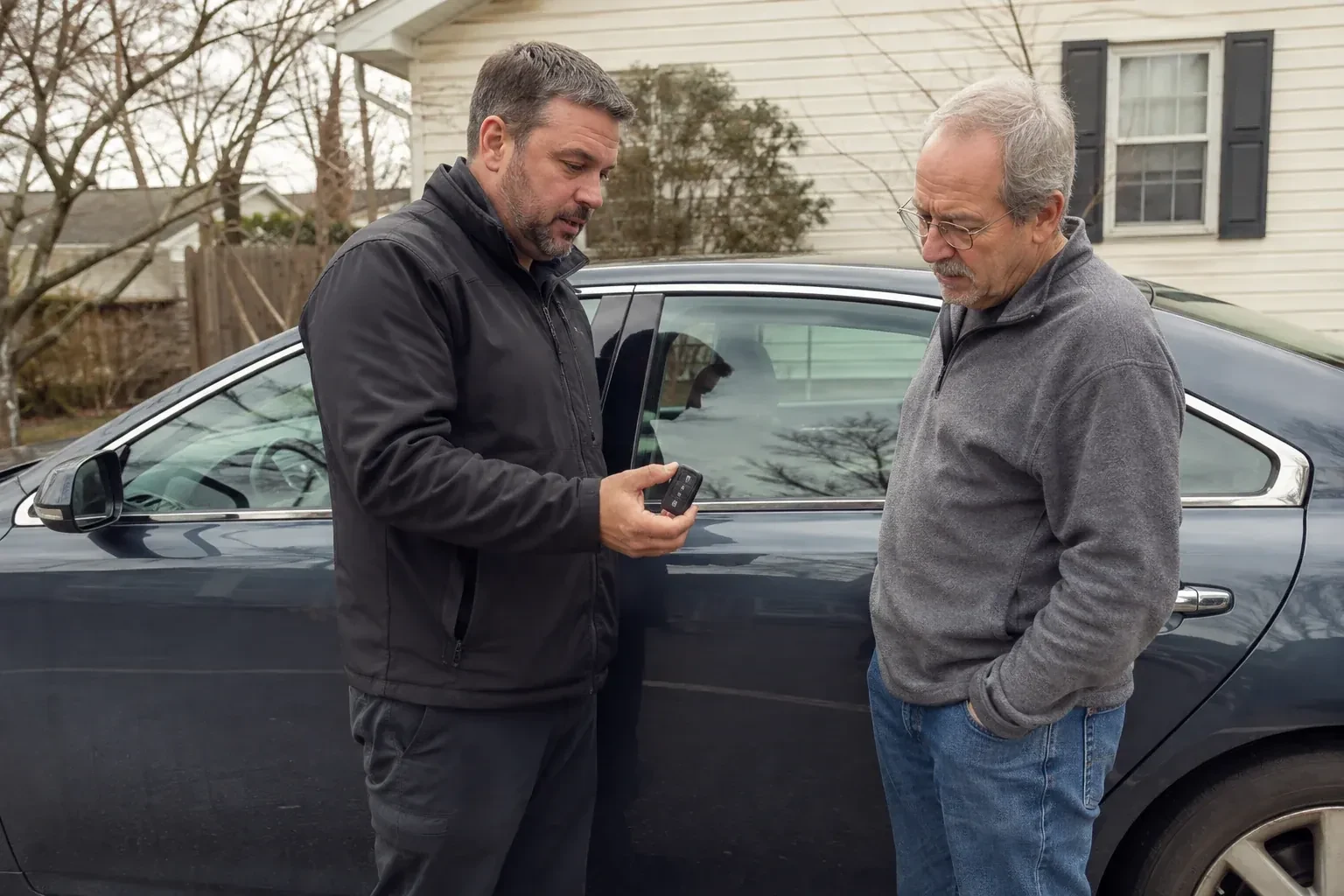
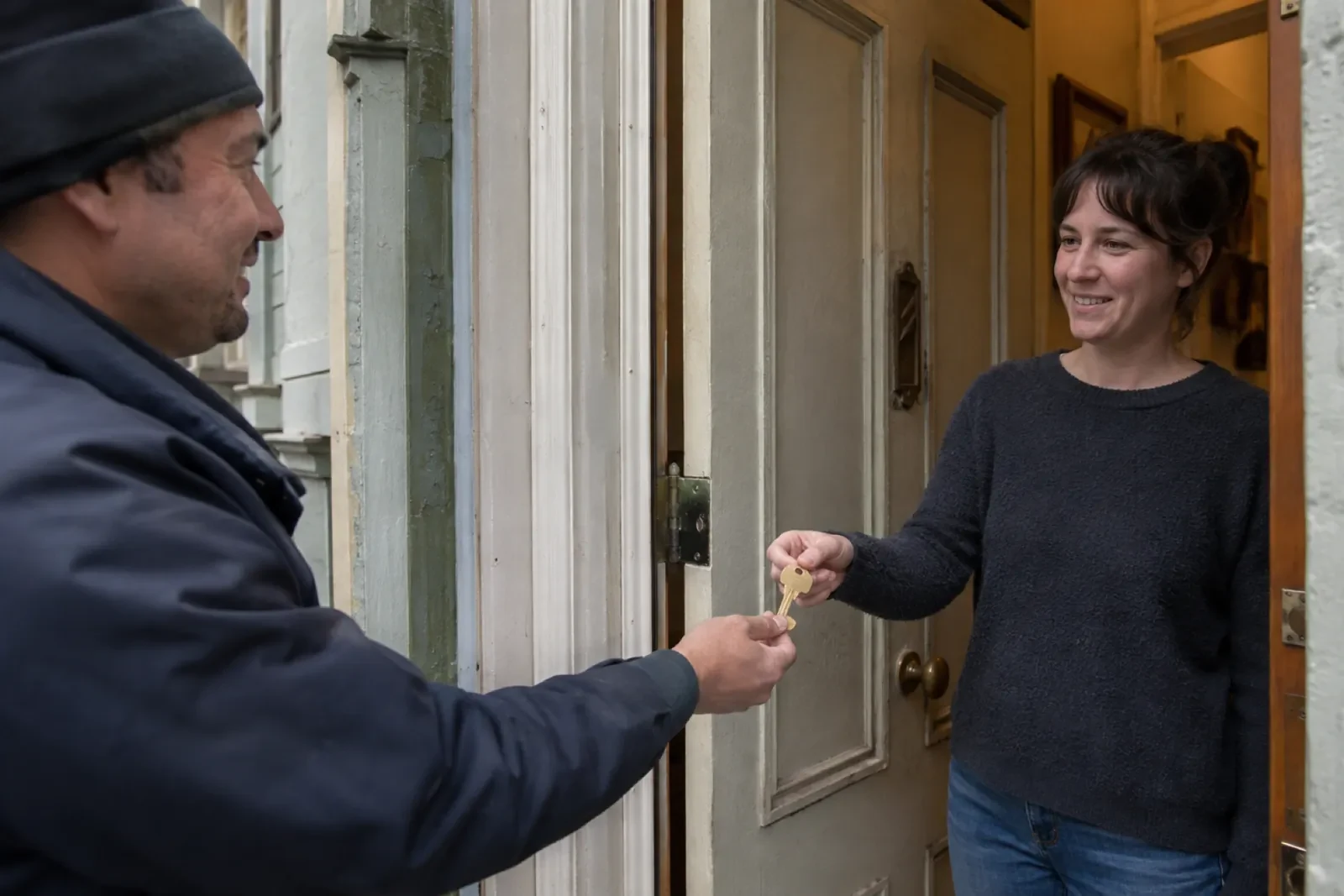
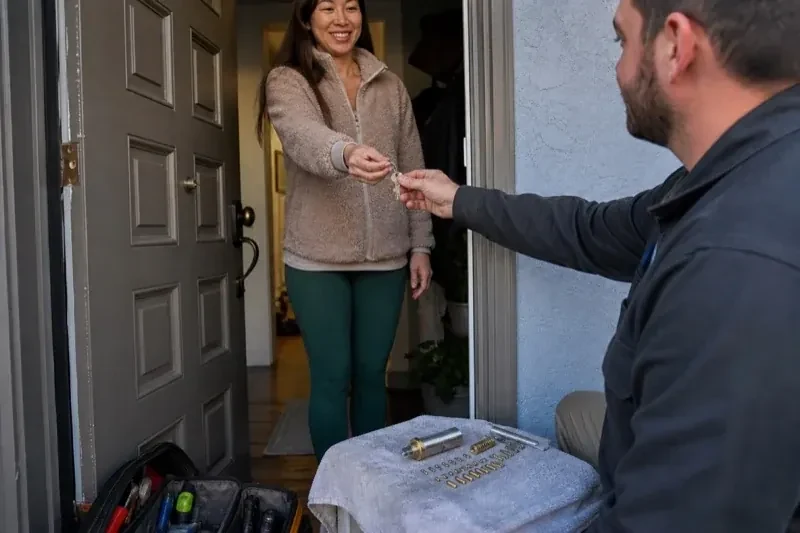
A lockout in Cundles is handled without drama. The locksmith confirms you belong there, then uses the least destructive method the lock allows, so the door and cylinder are usually intact when you walk through. Only when a lock has genuinely failed does he move to drilling, and then he replaces the cylinder and hands you fresh keys before leaving.
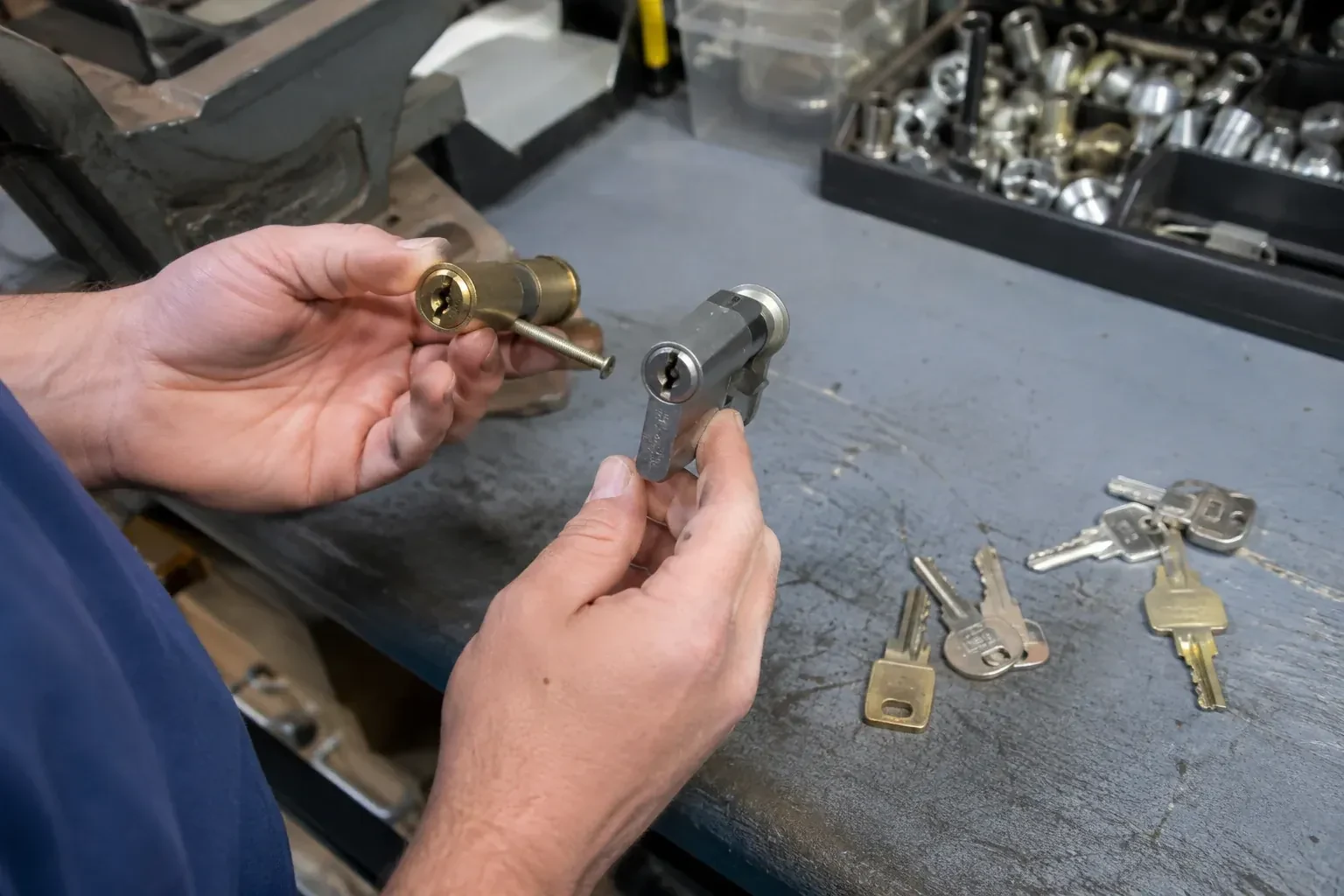
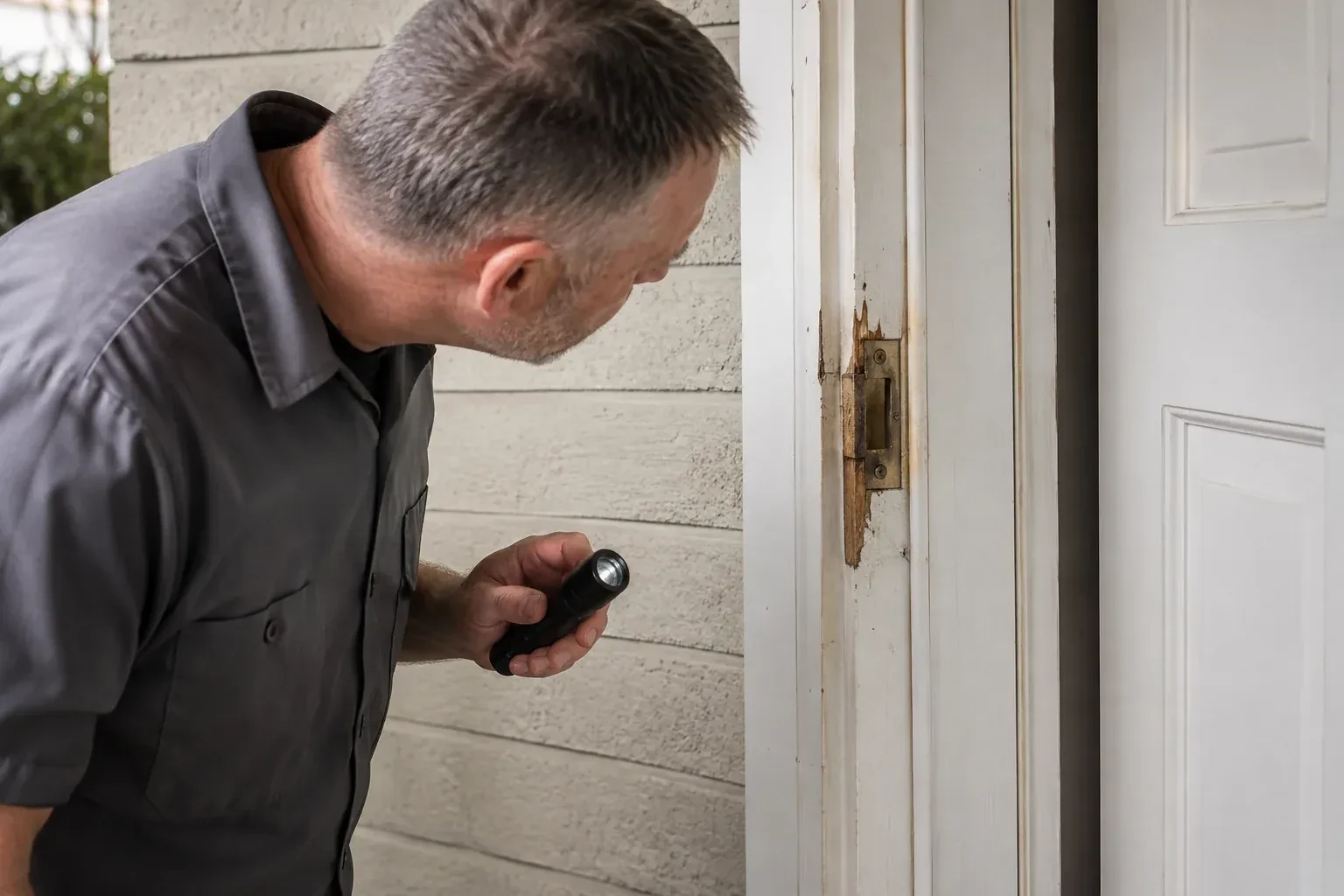
When a lock in Cundles starts fighting the key, the cause is usually one of a few things: worn pins, a strike that has moved, a door that has dropped on its hinges or a key copied too many times. We find which one it is before suggesting anything, then address the cause. Often the lock you have is fine and simply needs to be set right.
34years in business
24/7open every day
Explained before any tool comes out. You will hear what we found, what we suggest and why, before anything is changed. If you want a minute to think, take it.
Choices, not a single answer. Most problems have more than one fix. We lay out the practical options and the trade-offs, then let you choose the one that fits your home and budget.
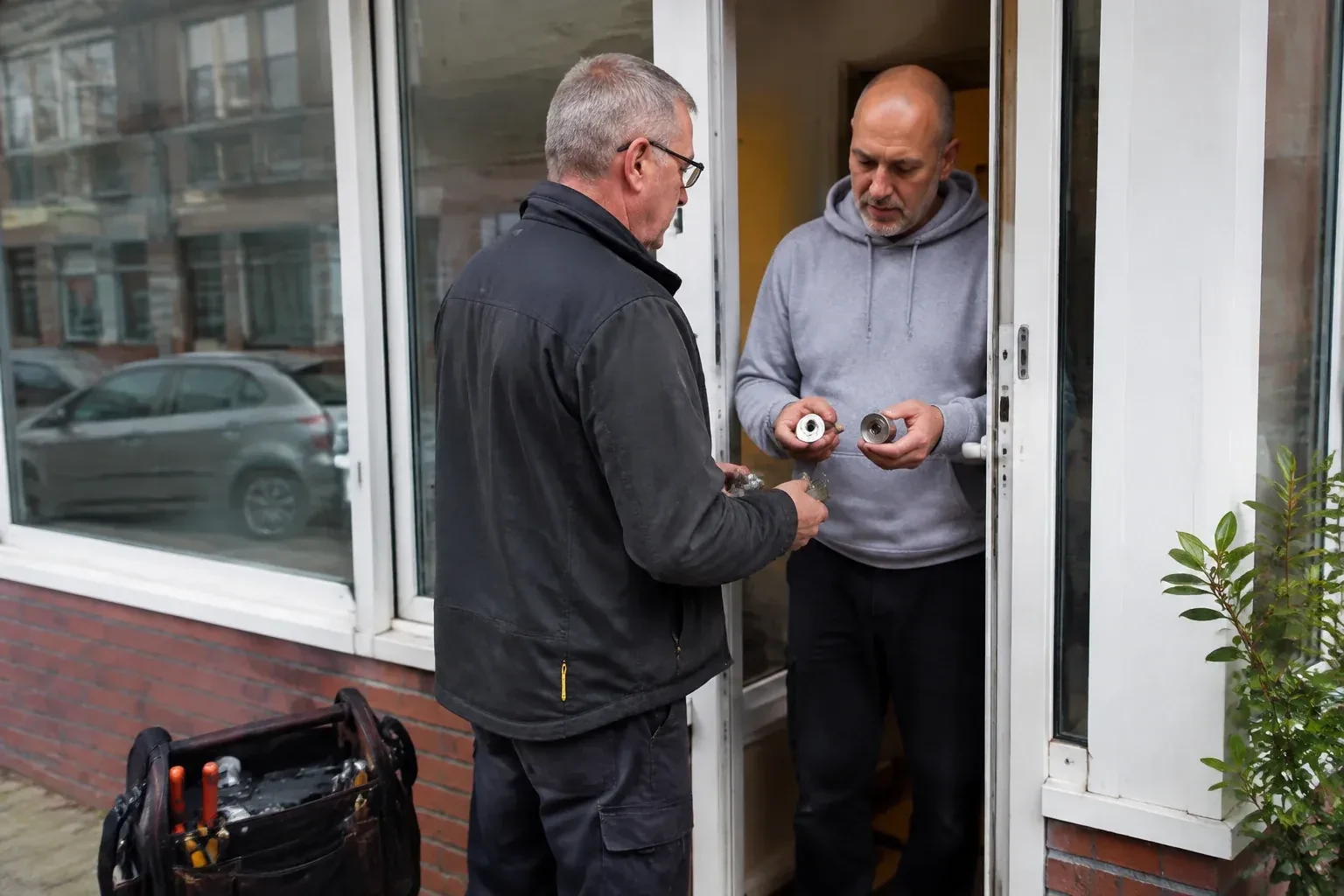
A tidy doorstep. Shavings swept, packaging taken away, the old hardware offered to you or disposed of. The only sign we were there is a lock that works.
For a household in Cundles the common requests are a rekey after moving in, a lockout, a deadbolt that grinds, and a lock that finally needs replacing. For a business they are storefront hardware, staff key control and exit devices. Both lists, and a few less common jobs, are laid out here.
About 29% of homes in Barrie were built in 1980 or earlier, according to the 2021 Census.
Newer homes
In areas of recent construction, doors mostly carry builder-grade locks that were chosen for the whole development at once. They work, but a household that wants more can upgrade the cylinder or the whole set without any surprises about fit.
Single-detached houses make up about 58% of homes in Barrie (2021 Census).
In an area with both houses and attached homes, the work varies by the door. A detached house wants all its exterior doors on one key; a suite door wants a cylinder that suits a metal frame and respects building rules. A locksmith carries parts for both.
The key turns a full circle without any resistance and the deadbolt stays exactly where it is. There is no click, nothing moves behind the face of the lock, and the door is as closed as it was before you touched it.
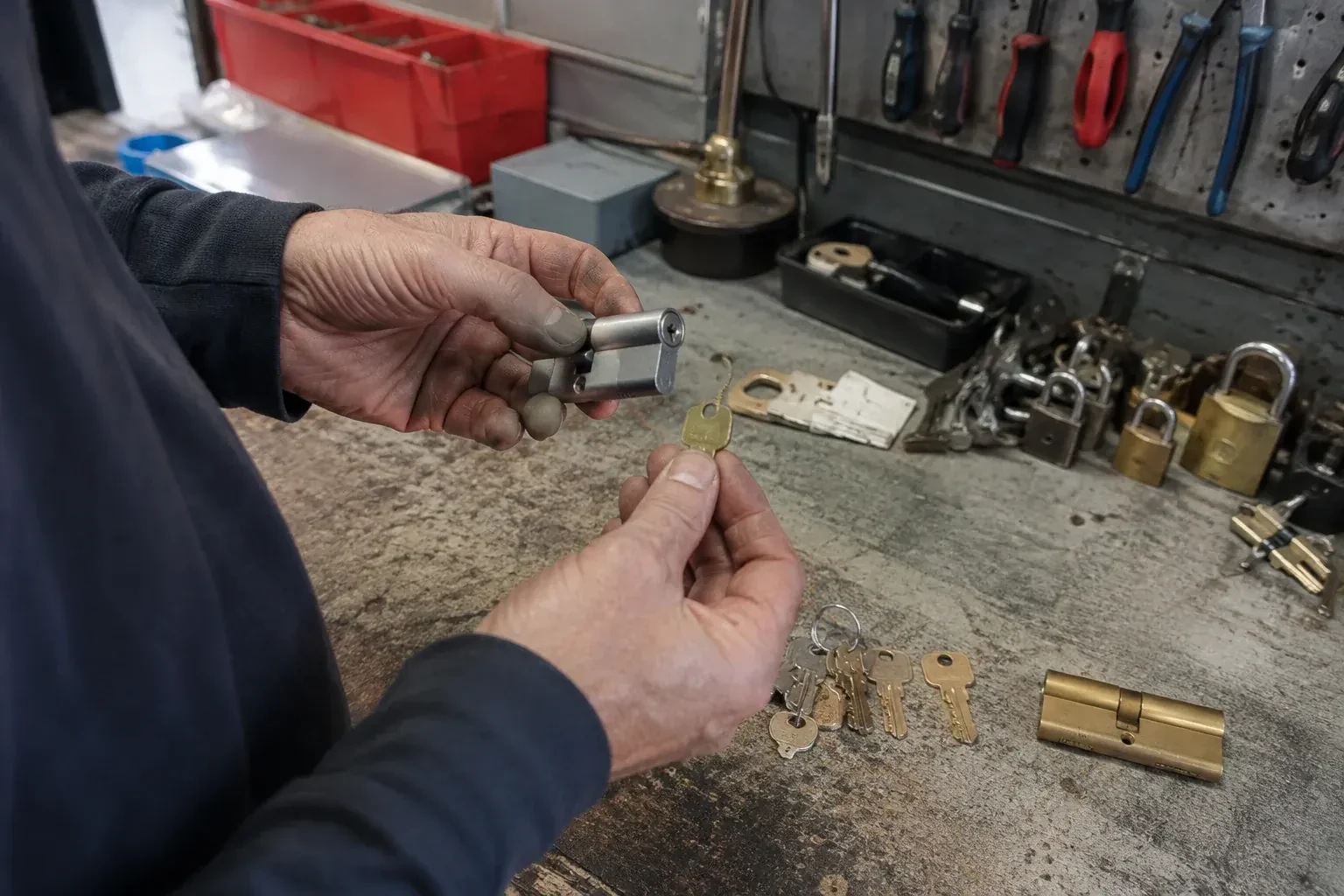
You bought a house with its original hardware and a bag of loose keys. Some open interior doors, some fit nothing, and the front door lock has a keyhole shaped for a key you do not have. You would like the original lock kept and made to work.
The deadbolt is a stiff double-cylinder model that needs a key from both sides, and in the dark hallway finding it is a nuisance. You want a thumb-turn inside, a keypad outside, and a door that locks itself behind you.
You jiggle the key a little and the old deadbolt opens even when the cut does not look quite right. If your worn key can do that, you wonder what a stranger with the right tools could do.
The office has been reshuffled twice since the locks were last touched. Reception can open the server room, the warehouse crew has a key to accounting, and the chart that once explained who could open what has not been seen since the move.
A self-storage operator wants the office, the tenant gate and the equipment shed on three different levels of access for staff, but every lock on the property currently answers to the same handful of interchangeable keys handed out over the years.
You pressed the fob at the office door and nothing happened. Pressed again, held it, walked closer. The car sits dark and silent, the fob lights up but the doors stay locked, and the mechanical key you have never used is somewhere at home.
One key opens the car, starts the car, and rides in one pocket every day. Nothing backs it up. A dropped storm drain, a torn pocket or a moment of distraction would leave the household without a way to drive anywhere tonight.
The new key slides into the ignition and turns exactly the way the old one did, but the engine only cranks. A dashboard light blinks near the fuel gauge, and no amount of turning the key gets the car past that cranking sound.
Restaurants, clinics, offices, shops, garages and storage units each wear out hardware differently. Commercial lock replacement is about matching the grade of the lock to the traffic through the door, and the pages here describe how we make that match.
Pry marks circle the dial after an overnight break-in attempt, and the safe now refuses every number that used to open it, as if something inside has locked itself down.
The till drawer has been holding two days of cash because the new shop never got a proper safe, and a locked drawer under the counter is the only thing standing between that cash and anyone who works late.
Which fix fits?
The key turns a full circle without any resistance and the deadbolt stays exactly where it is.
WhyA commercial rekey is planned around the trading day.
A self-storage operator wants the office, the tenant gate and the equipment shed on three different levels of access for staff, but every lock on the property currently answers to the same handful of interchangeable keys handed out over the years.
WhyMany commercial properties end up with keys copied from other keys over years of staff changes, until nobody can say with confidence what a given key actually opens.
You pressed the fob at the office door and nothing happened.
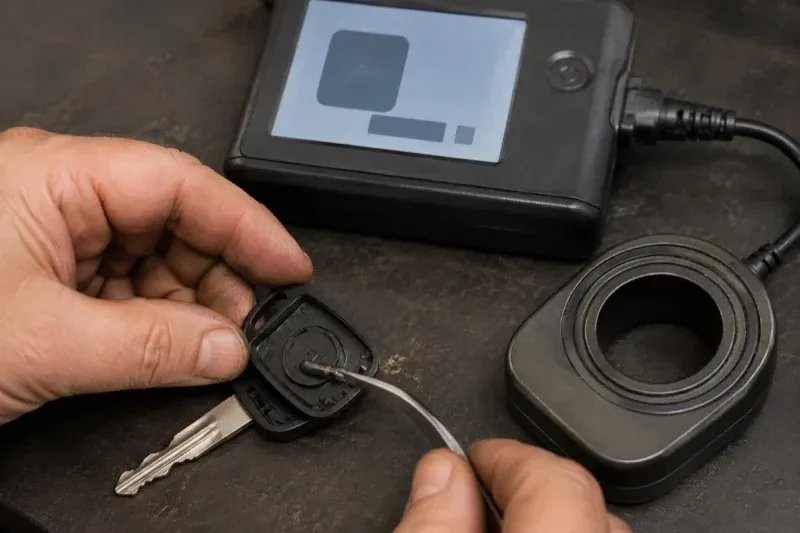
WhyWhen every key for a vehicle is genuinely gone, there is nothing left to vouch for a new one, so the visit starts by re-establishing secure access to the immobilizer's own module, sometimes through the vehicle's manufacturer network.
How a visit goes
Describe the property, the hardware and what has changed, and the visit starts from what you have seen.
1
2
3
01
Identifying the small lock
Mailbox, cabinet and desk locks are small but varied. We identify the type and whether a key can be made, a cylinder replaced or the whole unit swapped.
02
Replacing or rekeying it
Most small locks are replaced rather than repaired because new parts are simpler than rebuilding tiny mechanisms. We fit the new cylinder and check the cam lines up with the catch.
03
A tested key and a spare
You get a tested key plus a spare, and a tip about where to keep it, because a mailbox key is the one people lose most.
The lever on our shop door goes down but the latch does not pull back. Is that a lock problem?
It usually points to the mortise case rather than the cylinder, and it is a common complaint on commercial doors. Inside the case a return spring, a worn hub, or another part of the latch's drive path can have failed, so the lever moves without driving the latch. The locksmith gets the door open, draws the case out of the door edge, replaces the worn part, cleans and greases the contact points and refits everything, then tests lever, key and thumb-turn together.
What information helps before you come out?
Whether the door takes a skeleton-style bit key or a flat key in a round cylinder, roughly when the house was built, what the knob and bolt are doing, and whether the trouble is worse with the door closed. A photo of the faceplate in the door edge and one of the keyhole side is worth a great deal. Mention how many doors are involved and how many keys you would like afterwards.
Can the back door and garage door be put on the same system?
Yes, in one of two ways. Each door can get its own smart lock, all managed from the same app and account, with the same codes working at every door. Or, where the cylinders share a compatible keyway, the other doors can stay mechanical and be rekeyed so a single key operates them and the smart lock's override cylinder alike. Many households do the front door first and add the others later; the account and the codes carry across.
What is the difference between restricted and patented keys?
A restricted keyway is one the manufacturer supplies to a limited set of dealers, so blanks are harder to obtain but not legally protected. A patented key design is protected by a patent for a fixed term, and making or selling the blank without permission is unlawful during that time. Patented systems give the firmer control; restricted ones give a useful step up. The locksmith explains which your chosen line uses and when any patent expires.
How often should a business change its keys as a matter of routine?
There is no fixed interval. Rekey on events rather than on a calendar: a key not returned, a lease change, a break-in, a renovation crew finished, or a key count that no longer matches the register. Businesses with a good register and a restricted keyway often go years between rekeys because nothing prompts one. A yearly check of the register against the keys on the hook is the habit that tells you when the time has come.
What is a master key system, in plain terms?
It is a set of keys arranged in levels rather than issued one at a time. An individual change key opens one door, or a small group of doors keyed alike. A sub-master opens a defined group of doors, such as everything on one floor. A single top-level master opens the whole set. The levels are designed around who actually needs each one, then cylinders are pinned to match, so the physical keys follow an organization's real structure instead of years of informal copying.
My car is in a gated lot or an underground garage. Does that matter?
Only for getting the van to the car. Tell the locksmith how the lot is entered, whether a code, a buzzer or an attendant is involved, and which level the car is on, so nobody loses time at the gate. In a tight garage the locksmith checks there is room to open the door fully and enough light to see the interior switches, and brings a torch if not. The opening itself is unchanged.
Does cold weather affect a key fob?
Yes, in a couple of small ways. Battery performance drops in cold temperatures, so a fob that already had a fading battery is more likely to act up on a cold morning, and a proximity system's range can feel shorter in the cold as well. Testing a spare's battery before winter, and keeping a spare battery on hand, avoids being caught out by either.
I just bought a used vehicle with one key. What should I do first?
Arrange a second key while the first one is still working, since it costs far less time and trouble than doing the same thing after that single key is lost or damaged. It is also a reasonable moment to confirm exactly how many keys the vehicle's system currently recognizes, especially if the previous owner cannot say for certain.
Request a visit
A lockout in Cundles is handled without drama. The locksmith confirms you belong there, then uses the least destructive method the lock allows, so the door and cylinder are usually intact when you walk through. Only when a lock has genuinely failed does he move to drilling, and then he replaces the cylinder and hands you fresh keys before leaving.