High security · Cundles
High Security Locks in Cundles
The restricted keys you bought years ago are no longer restricted; the locksmith mentioned the patent has run out and blanks are sold openly.
In plain words
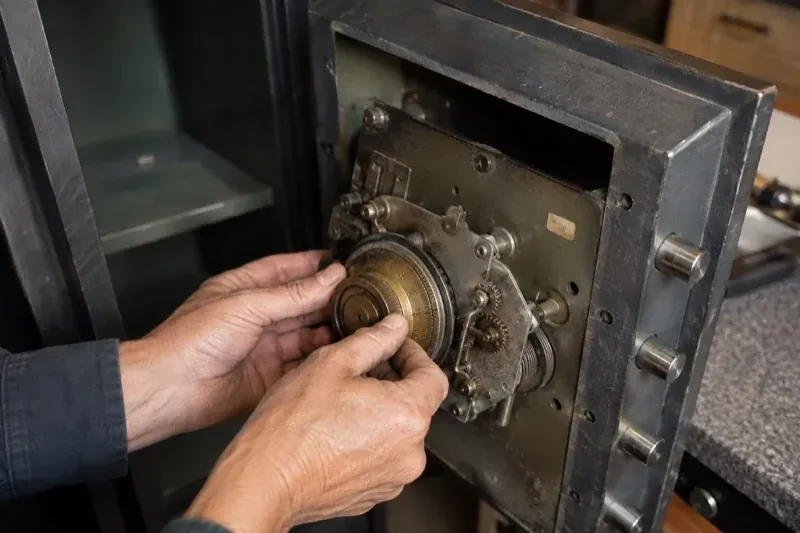
High security locks are cylinders and deadbolts designed to defeat the methods used against ordinary doors. Inside the cylinder a second locking mechanism, usually a sidebar released by finger pins or rotating pins, has to be satisfied at the same time as the normal pin stack, which is what stops picking and bumping. Hardened steel inserts stop drill bits. The bolt is thicker and carries a hardened pin against sawing, and a reinforced strike ties the lock into the wall framing. Just as important, the key is cut on a patented blank that only an authorised person can have copied, so your key count stays known.
How the visit goesYou jiggle the key a little and the old deadbolt opens even when the cut does not look quite right. If your worn key can do that, you wonder what a stranger with the right tools could do.
High Security Locks
How the visit goes
Who holds keys and who should
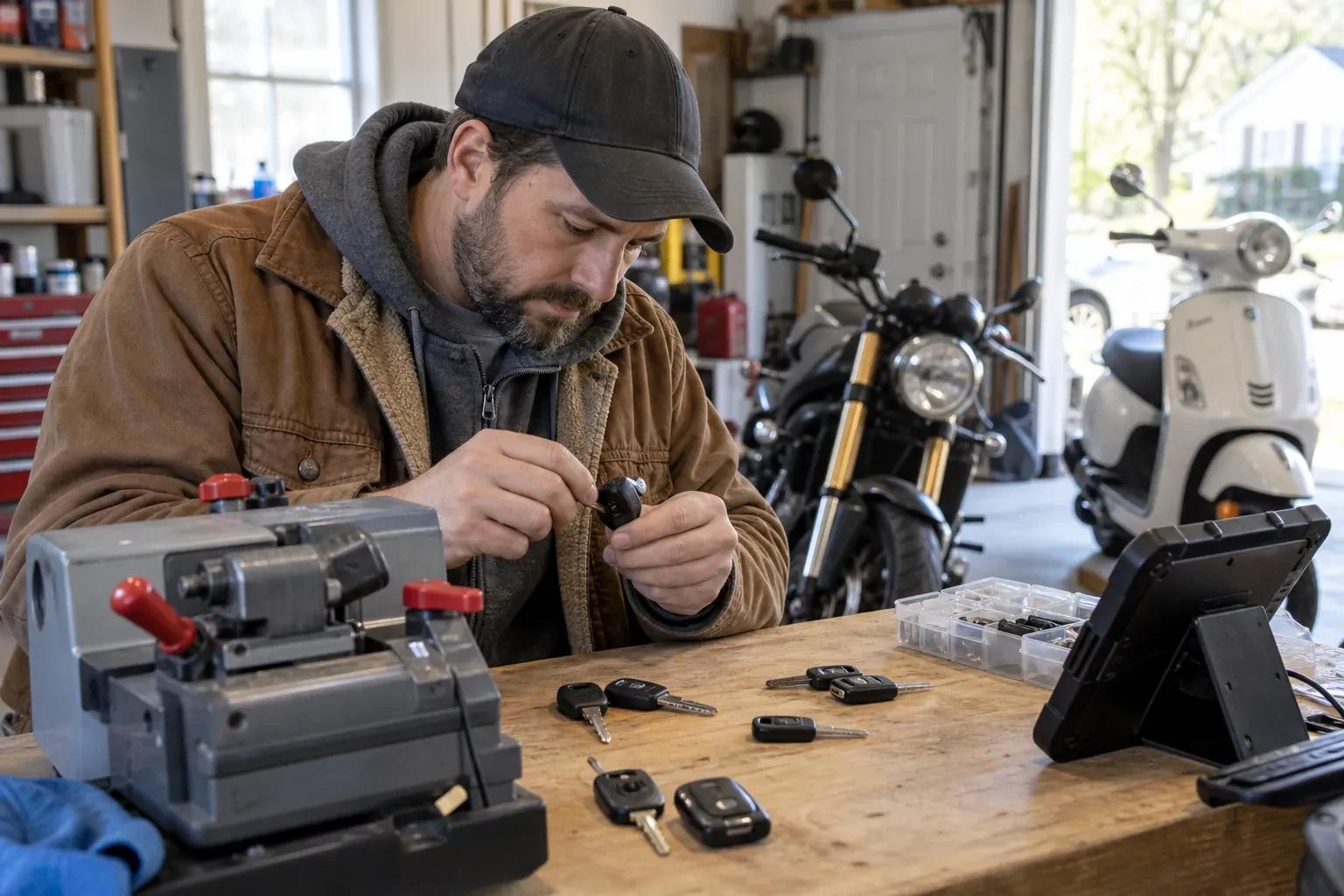
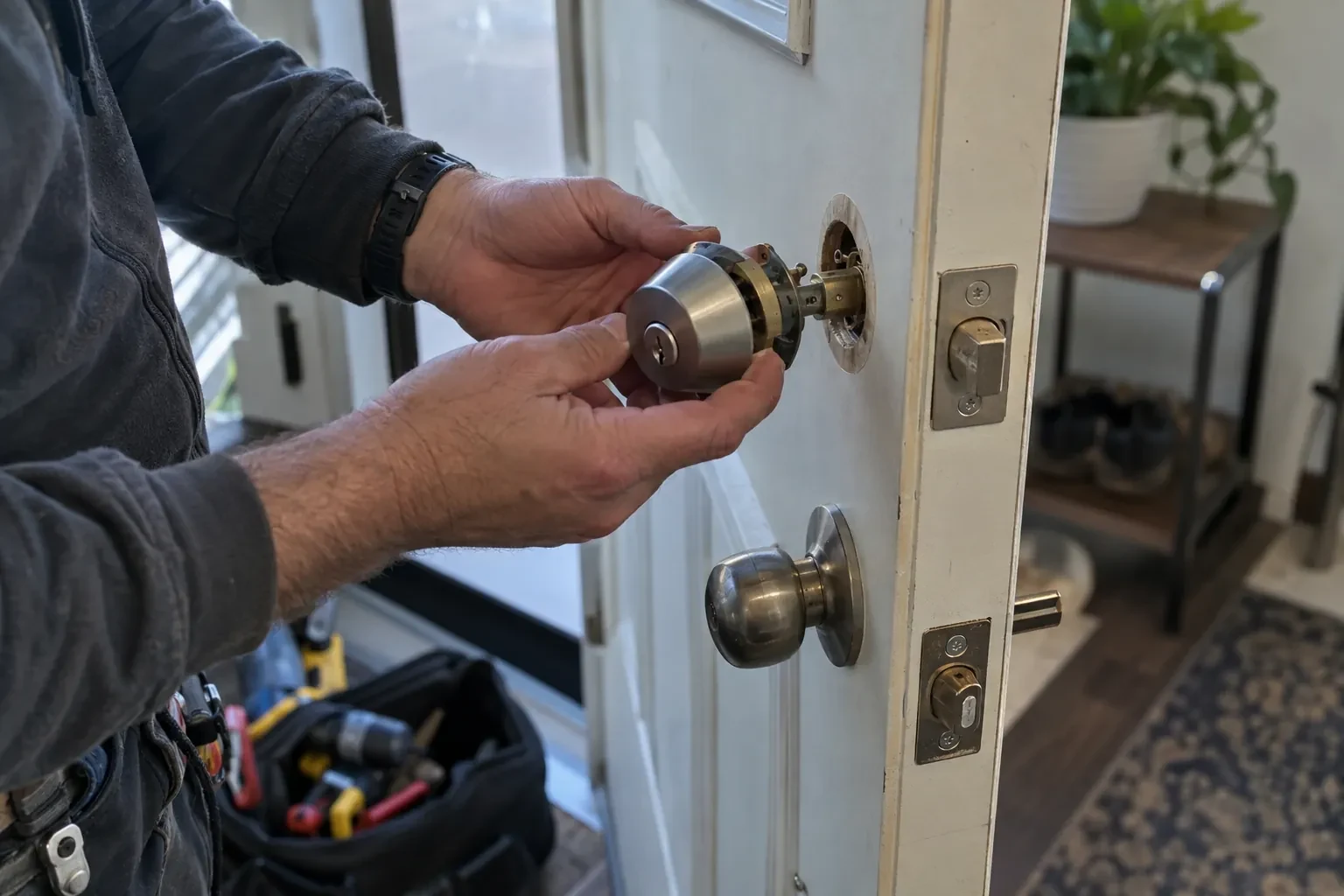
For a business or a rental, the locksmith asks to see the key list, or helps you start one. Which keys exist, who carries them, which doors they open, and what happens when someone leaves. This is where the case for a patented or restricted key system becomes clear, because the system replaces guesswork with a register: every key numbered, every order authorised by a named person, and no blanks available outside the locksmith who manages it. The locksmith also asks how many people need to reach each area so the keying plan reflects the way the building actually runs.
Reinforcing the strike and frame
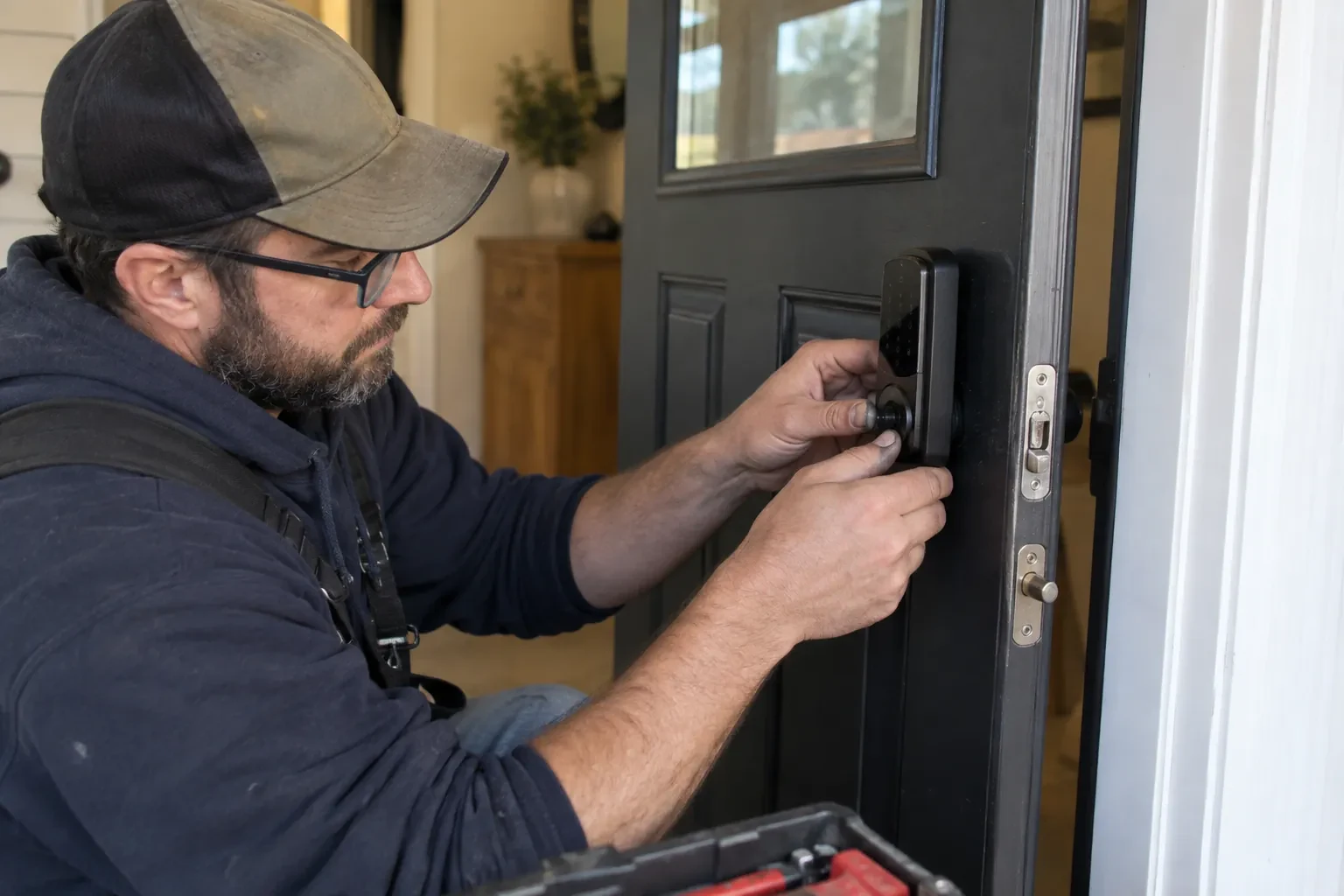
The strike is where a forced door actually fails, so it gets serious attention. The stamped plate comes off and the pocket is deepened to accept a box strike or a long reinforced strike, fastened with three-inch screws that pass through the jamb into the wall framing. Stripped or split wood is filled and doweled first so the screws have something to hold. Where the frame is thin, a wrap-around reinforcer around the door edge and a full-length jamb plate are options. The result is a bolt that ties the door into the house rather than into a strip of trim.
Fewer keys, clearer purpose
Many customers finish the visit carrying fewer keys than they started with. Exterior doors keyed alike mean one key for the house; a small master system means a manager carries one key for the whole premises. Each key has a known job. The locksmith explains which key opens which door and leaves that in writing, so the tenth person to ask does not get a shrug. Should you add a door later, a gate, a garage entry or a new office, it can join the same system so you keep the single-key convenience without opening a fresh keyway.
High Security Locks
In the van
Patented key blanks
Key control authorisation card
Code key cutting machine
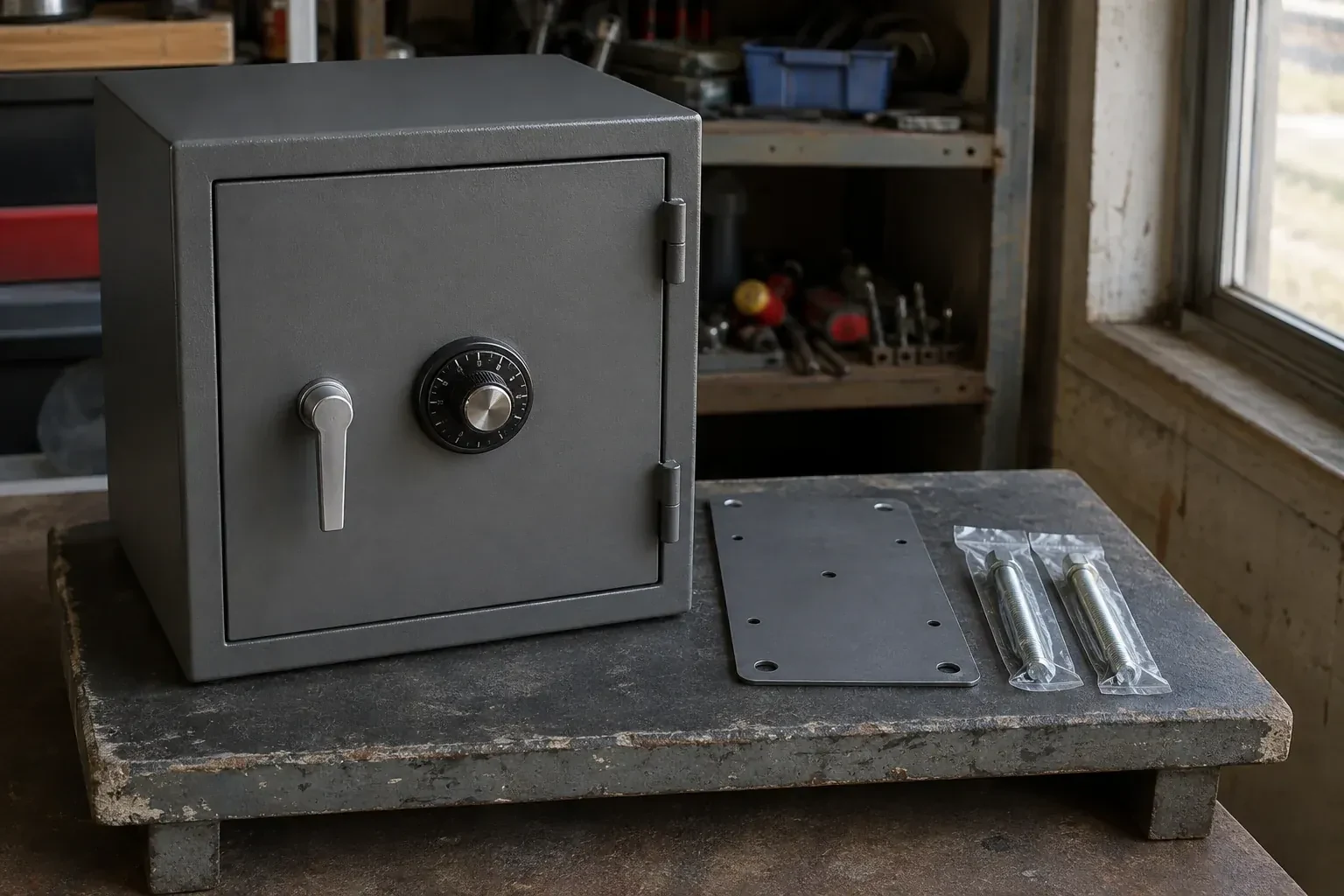
Graded deadbolt with hardened bolt
High-security cylinder
High Security Locks
What affects the quote
Documentation and registration
Setting up the key register, recording signatories and providing a written schedule of cylinders and keys is real work on a business system and is listed rather than hidden.
Cylinder only or full deadbolt
Swapping the cylinder inside a sound deadbolt is a smaller job than fitting a new graded deadbolt through the door, and a knob-only door that needs a fresh bore is bigger again.
Glass near the lock
Sidelights or glazed panels beside the deadbolt may call for a different function or extra hardware to keep the inside turn out of reach, always keeping easy exit in view.
What to have ready
- Is there a window or sidelight within reach of the lock?
- Which locks are on the door now: knob only, knob and deadbolt, a mortise lock or a lever?
- How many exterior doors do you want included?
High Security Locks: questions
QuestionsDo I need to replace my whole deadbolt or just the cylinder?
It depends on what you have. If the deadbolt is a good heavy unit that throws a full inch into a proper strike, a high security cylinder can replace the ordinary one and the rest stays. If the deadbolt is light, worn or throws a short bolt, a new graded deadbolt with a hardened bolt is the sensible base and the high security cylinder goes into that. The assessment tells you which, door by door.
What is the difference between restricted and patented keys?
A restricted keyway is one the manufacturer supplies to a limited set of dealers, so blanks are harder to obtain but not legally protected. A patented key design is protected by a patent for a fixed term, and making or selling the blank without permission is unlawful during that time. Patented systems give the firmer control; restricted ones give a useful step up. The locksmith explains which your chosen line uses and when any patent expires.
What actually makes a lock high security?
Three things working together. The cylinder has a second locking mechanism, usually a sidebar released by finger pins or rotating pins, plus hardened steel in the path of a drill, so picking, bumping and drilling take far longer than on an ordinary lock. The deadbolt and strike are heavier and fastened into the framing. And the key is cut on a patented or restricted blank that only an authorised person can have copied. Remove any one and the door is weaker than the label suggests.